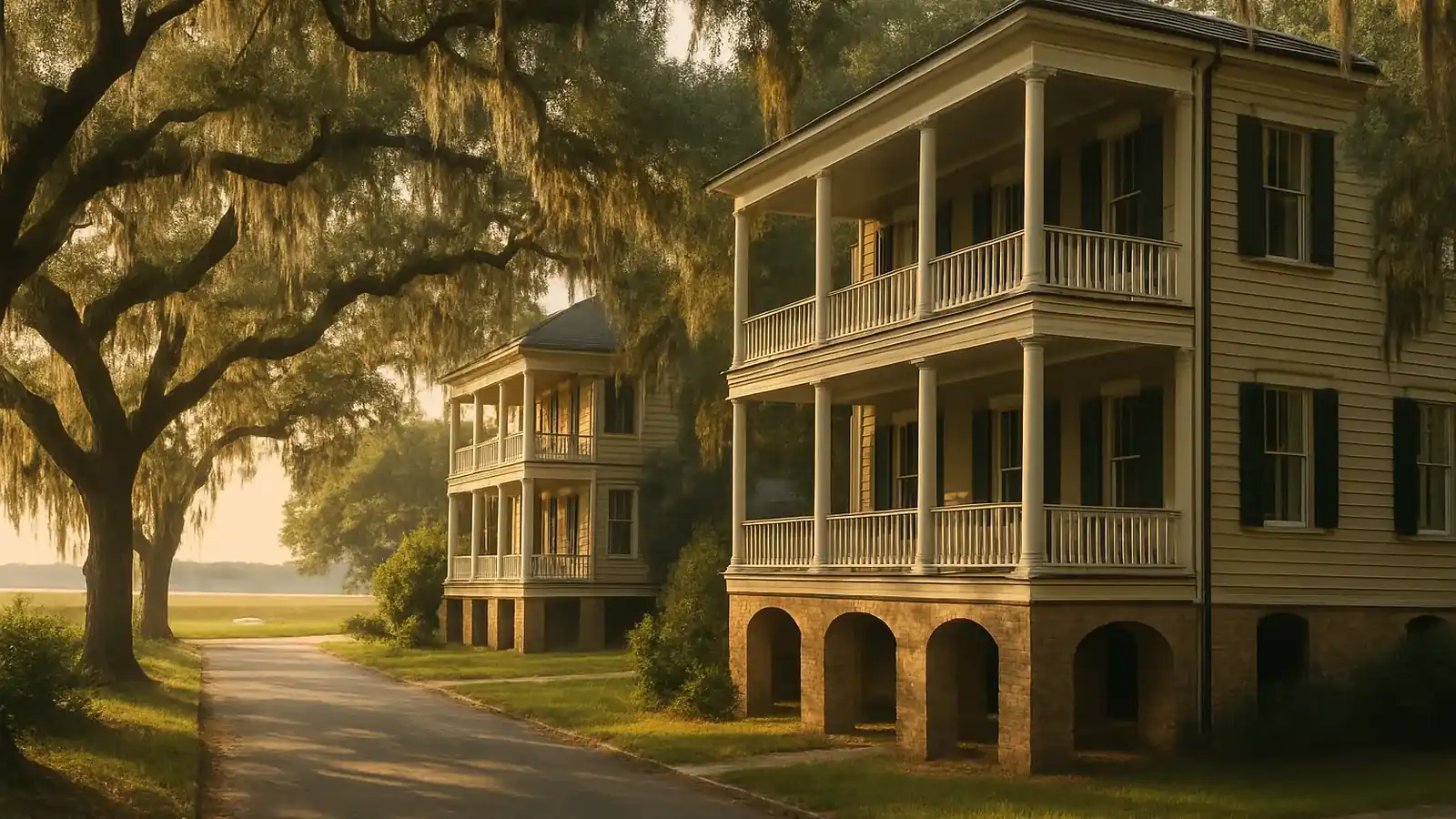
Charleston Mold Removal Co. serves Charleston plus Mount Pleasant, North Charleston, Summerville, Goose Creek, James Island, Johns Island, Daniel Island, Isle of Palms, and Folly Beach: requests for an inspection with crawl space entry from all of them, and it is worth asking whether travel is priced as its own line.
Mount PleasantNorth CharlestonSummervilleGoose CreekJames IslandJohns IslandDaniel IslandIsle of PalmsFolly Beach
Every town we cover, and what changes there
Each town has its own page, because the ground and the age of the houses vary across the region. In brief:
Mount Pleasant: Two towns sharing a name
Mount Pleasant contains two distinct building populations, and an inspection here starts by establishing which one you own. Read what that means for a Mount Pleasant property.
North Charleston: Older stock, deferred systems
North Charleston carries a large inventory of mid-century and working-era housing, much of it on crawl spaces, and the profile that produces is consistent: original or long-serving HVAC equipment, crawl spaces that have never had a vapor barrier or have one that failed decades ago, duct insulation that has torn and fallen away, and ventilation details that predate any thought about moisture management. Read what that means for a North Charleston property.
Summerville: Different ground than the coast
Summerville sits inland on the sandy, pine-covered ground that gave it its old reputation as a retreat from the coastal lowlands, and that geography genuinely changes the moisture picture. Read what that means for a Summerville property.
Goose Creek: Newer construction shifts the diagnosis
Goose Creek's housing skews substantially newer than the Charleston peninsula or North Charleston, and it includes a large share of conventional subdivision building from recent decades. Read what that means for a Goose Creek property.
James Island: Tidal creeks set the water table
James Island is threaded with tidal creeks and marsh, which means a great many properties here sit on ground with a seasonally high water table that moves with the tide. Read what that means for a James Island property.
Johns Island: Rural ground filling in fast
Johns Island is the largest of the area's islands and it has been converting from agricultural and rural land into residential development at speed. Read what that means for a Johns Island property.
Daniel Island: A planned community with a modern building profile
Daniel Island was developed as a master-planned community and its housing is consistently recent, which makes it the clearest contrast to the older crawl-space stock across the rest of our service area. Read what that means for a Daniel Island property.
Isle of Palms: Elevated is different from a crawl space
Much of Isle of Palms is built elevated on pilings rather than over an enclosed crawl space, and that distinction genuinely changes the moisture picture, usually for the better. Read what that means for an Isle of Palms property.
Folly Beach: Exposure, and what it does to a building
Folly Beach takes the full coastal exposure: salt air, wind-driven rain, and the storm and tidal water that comes with a barrier island. Read what that means for a Folly Beach property.
Four moisture stories in one service area
The crawl-space core (Mount Pleasant, North Charleston, James Island, Johns Island) is where the classic Lowcountry mechanism dominates: raised houses over vented crawls, humid summer air condensing on cool framing. Marsh-adjacent and creek-cut ground adds a high water table, which frequently means drainage before encapsulation. Inland Summerville sits on sandier, higher ground that drains better, so crawls there often respond to a vapor barrier without the drainage work a marsh-side property needs. The newer suburbs (Goose Creek, Daniel Island) are tight modern construction where the AC system carries the whole moisture load and an oversized unit leaves a house cool and damp. The barrier islands (Isle of Palms, Folly Beach) are elevated rather than crawl-spaced, which helps, until a ground-level space gets enclosed and filled with porous storage.
Because of that variation, a one-size template does not fit here. Each page above describes its own community, and the inspection describes your particular house.
Two constants across all ten
First, the humidity line: indoor relative humidity held above about 60 percent is what lets mold grow anywhere in this region. A hygrometer costs less than $20 and settles most of the question before anyone comes out.
Second, the inspection standard: if there's a crawl space, a good inspection goes under it. Most Lowcountry mold either starts down there or is being fed from down there, and an inspection that stops at the floor has skipped the diagnosis. That includes new construction: a five-year-old crawl with a torn liner behaves exactly like a fifty-year-old one.
Somewhere between towns, or just outside this list? Ask: regional travel gets quoted honestly.
What it means when we say we cover a town
Covering a town means your request reaches a local specialist who works there, the same as on the peninsula. Ask for moisture readings and photographs of the growth, a written scope after the visit, and travel, if charged, on a line of its own. If the drive is long enough to matter, get that figure settled first.
Damp problems get worse while they wait, so distance should never be a reason to put a visit off.
The nine communities listed are the ones this guide knows well enough to describe the ground before anyone visits. That, rather than a radius drawn around the peninsula, is the real edge of the list: places whose houses and soils are understood well enough to write about.
Does a specialist come out this far?
Almost always, and it is worth asking rather than assuming. People call us having noticed one thing. A musty smell that keeps returning, a patch coming back on the same wall, or air that feels heavy indoors when it is not outside, and the first question is usually whether a specialist travels to them at all. The list above is where this guide knows the ground well, not a boundary drawn on a map. Somewhere between two of these towns is a yes.
Coverage questions
Is there an extra charge to come out to the outlying towns?
If there is a travel charge, ask for it on a separate line and see it before you agree to anything. Buried inside the price of the work, it makes the scope impossible to compare with another company's.
My address is not on the list. Is it still covered?
Usually yes, and asking costs nothing. The list covers the places this guide can describe ahead of time, not a hard edge, and an address between two of these towns is almost always in range.
Is the first visit free, everywhere on this list?
It depends on the company. Many local specialists don't charge for the first visit; ask when they call, before they come out. Either way, ask to keep the moisture readings, the photographs of the growth and the written findings, which are useful whether or not you hire anyone.
Why does the price differ between towns for the same job?
Because the ground and the houses change from town to town. Each town page above explains what is different locally, and a quote should be based on what the visit measures at your address, not on a regional average.
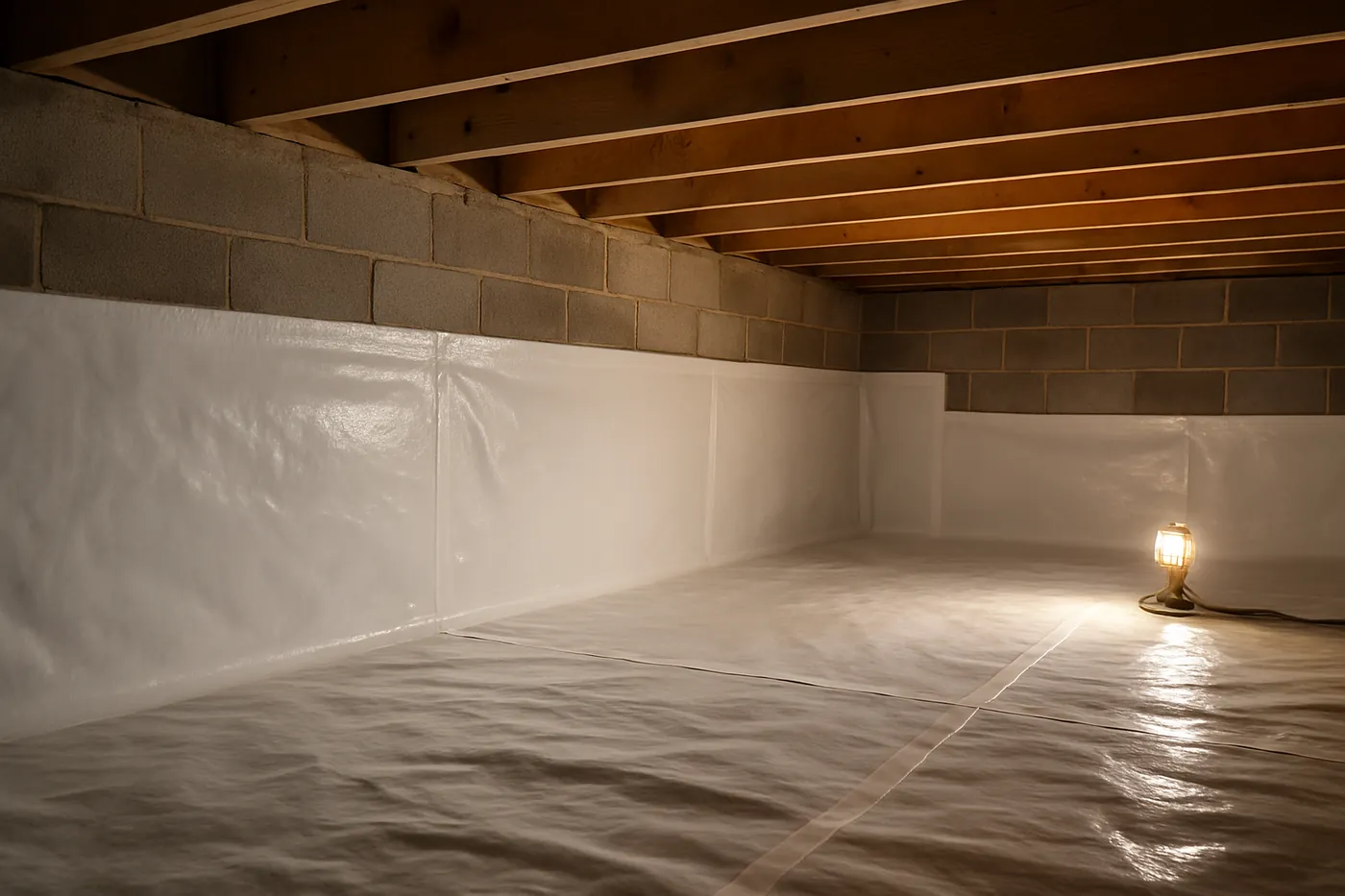
Get a Charleston mold inspection
Tell us what you’re seeing or smelling: a musty smell coming up through the floor, cupping hardwood, condensation on ductwork, staining on a wall, and we'll pass your request to one independent local specialist, who can set up an inspection. A specialist who serves the Charleston area will call you back.