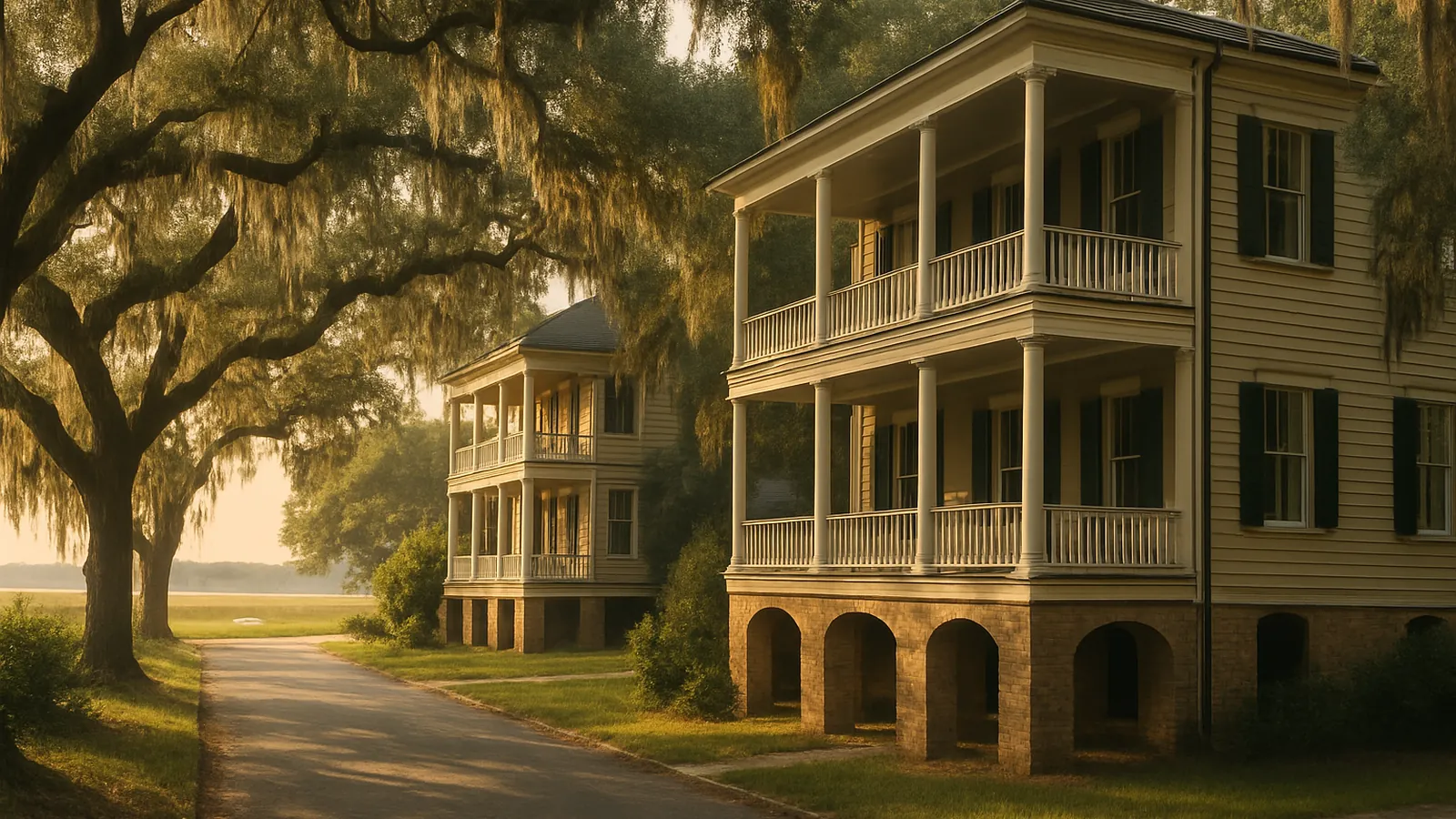
Charleston Mold Removal Co. serves Charleston, Berkeley, and Dorchester counties, working one problem: Lowcountry humidity entering buildings through vented crawl spaces. Every job starts with a free inspection that includes crawl space entry, and ends with a written scope.
For every price on one page, read the mold removal cost in Charleston guide: what each job class runs, what moves an estimate, and what a written quote should show.
How we scope work
Measurement first, then a recommendation, then a price — in that order, every time. Moisture content readings on joists and subfloor, relative humidity compared between the crawl and the house, and photographs of what's actually down there. Where the readings don't justify an encapsulation package, the report says a vapor barrier and better grading will do it. A company that never declines the larger sale isn't measuring anything.
Drainage before encapsulation, every time
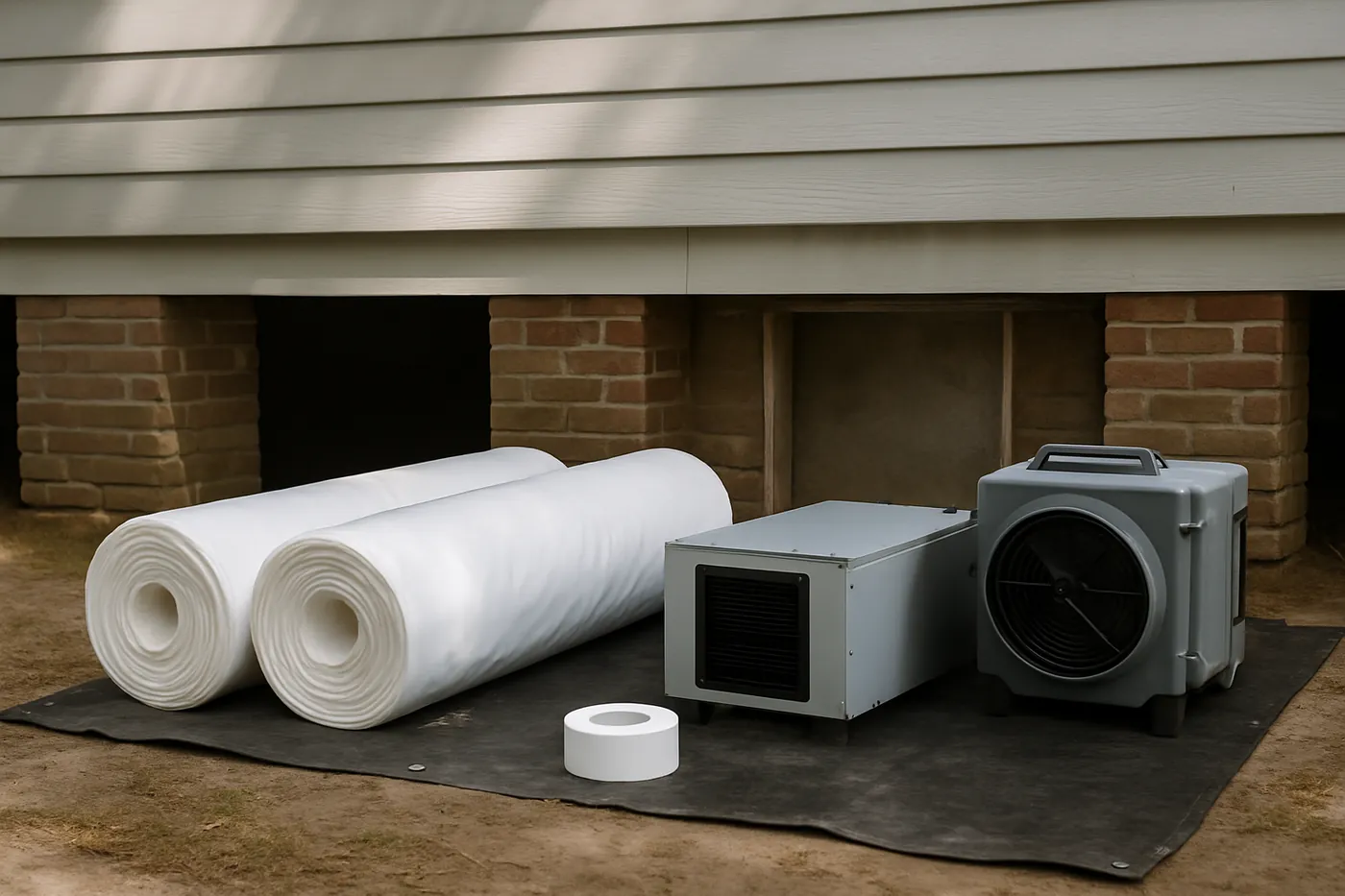
This is the position that saves our customers the most money and costs us the most short-term revenue. A crawl space liner installed over standing or recurring water is an expensive cover on an unsolved problem, and it fails. Where evidence shows water arriving rather than only condensing — staining on piers, silt, a floated vapor barrier — drainage is the first line on the scope and encapsulation follows it. We price them separately so you can see which half you're buying.
Removal, not treatment
EPA guidance is direct and we follow it: remediation means physically removing the growth and the porous material it colonized, inside containment, with HEPA filtration. Mold doesn't need to be alive to cause a problem, so killing it in place doesn't finish anything. We don't sell fogging, ozone, or antimicrobial spraying as a substitute for removal, and we'll say plainly when a competing bid is built on one.
What we won't recommend
- More crawl space vents, or a fan pulling outside air in. Venting supplies the moisture here; adding it makes the problem worse.
- New fiberglass batts against the subfloor in a crawl that hasn't been sealed.
- Sealing interior surfaces on historic walls built to dry in both directions — that traps moisture in masonry.
- Encapsulation on a crawl with unresolved standing water.
- Testing every visible patch when the water source is already known.
South Carolina doesn't license this trade
Worth saying plainly, including about ourselves: South Carolina issues no mold-specific contractor license. States like Florida license mold assessors and remediators separately and restrict one firm from doing both on a project. Here that structure doesn't exist, which puts the vetting on you.
Verify general contractor licensing through SC LLR. Ask what independent certification the technicians hold, from which body, and whether it's current. Ask to see the moisture readings behind any recommended scope. Ask us all three — a company that resents those questions has told you something useful.
How we work in the field
Containment goes up before anything is disturbed, air scrubbers run through the work and after it, and drying is tracked against a dry standard taken from unaffected material in the same house. You get the moisture log, stage photographs, and before-and-after readings from the crawl space. Access routes and exactly what we're opening are named in the scope before anyone starts.
Get a free Charleston mold inspection
Tell us what you’re seeing or smelling — a musty smell coming up through the floor, cupping hardwood, condensation on ductwork, staining on a wall — and we’ll schedule an inspection that includes going under the house. We reply the same business day.