
Isle of Palms homeowners pay $500–$6,000 for most mold remediation, from about $300 for testing when genuinely warranted. On an island of raised beach houses and rentals, the usual source is salt-damp air under the floor and in closed-up rooms, and the inspection should go beneath the house to find it.
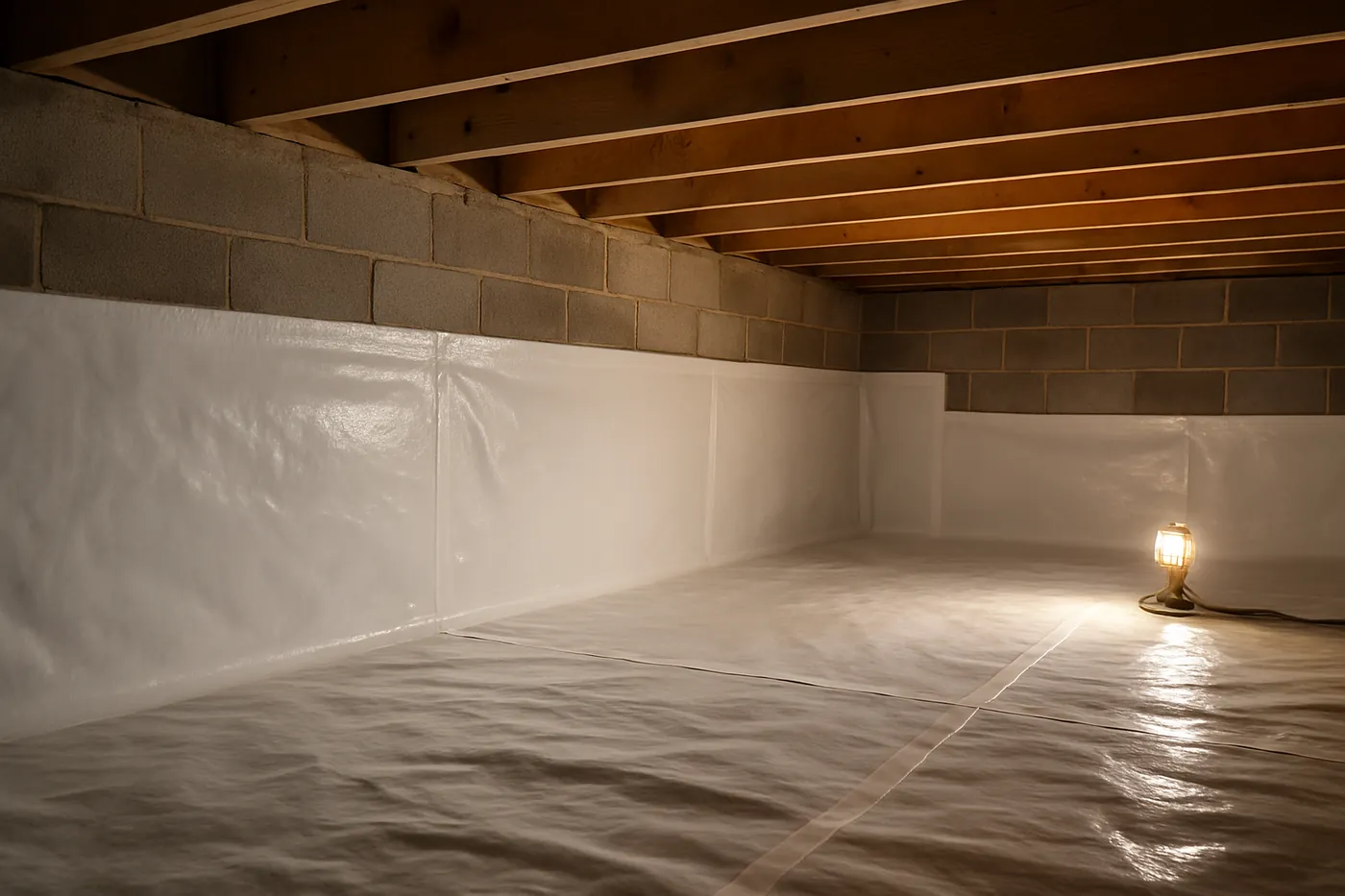
Elevated is different from a crawl space
Much of Isle of Palms is built elevated on pilings rather than over an enclosed crawl space, and that distinction genuinely changes the moisture picture, usually for the better. Open air beneath a house doesn't trap humidity the way an enclosed vented crawl does, because there's no enclosure to hold it and no still air to condense out of.
The trouble starts when that space gets enclosed. Storage rooms, finished ground-level areas, and enclosed parking below the living space convert an open, self-drying volume into a closed humid one, and because these areas sit below the flood elevation, they're required to have flood vents rather than sealed walls, which means they can't be conditioned. Porous material stored in them (cardboard, upholstery, drywall, carpet) is sitting in permanently humid air, frequently sharing a floor assembly with the living space above.
Rental turnover is a mold pattern
Short-term rental turnover produces a repeating failure. A unit is occupied and conditioned for a week, then sits empty, and during the gap the thermostat often goes off or up to save electricity. In summer, a few unconditioned days is enough for humidity to climb and stay climbed.
Repeat that through a season and you get growth in closets, behind headboards on exterior walls, in ground-level storage, and in the AC system. The correction is operational rather than constructional: hold the system in a dehumidification setting between guests, use a humidistat or a smart thermostat with a humidity setpoint, and target under about 60 percent regardless of occupancy.
Salt is hard on the equipment doing the work
Salt air eats at AC coils and condenser fins faster here than inland, and a coil that moves heat poorly also pulls less moisture from the air, even while the cooling still seems fine. On a barrier island, a good mold inspection checks the equipment, since it is often the cause rather than a side note.
An island built mostly in the 1980s
The Census Bureau's 2020-2024 American Community Survey counts about 4,590 homes in the City of Isle of Palms, with a median build year of 1986. The 1980s alone account for about 36% of them, more than any other decade, while the 1990s and 1970s add roughly 15% and 13%. Only about 19% went up in 2000 or later. Many island houses are therefore around forty years old, with original duct runs, vapor barriers and enclosures below the living floor.
The 50% rule on Isle of Palms
The city's flood damage prevention page says improvements cannot exceed 50% of the structure's appraised or assessed value, not counting the lot, and that a substantial improvement review happens before any repair permit is issued. Its building permit page asks miscellaneous repair applications for a list of all work with material and labor costs. If a mold job includes rebuilding walls or floors, those costs count, so talk to the Building Department before the scope is signed.
Asked in Isle of Palms
Our house is on pilings. Is that better than a crawl space?
Usually yes. Open air beneath a house doesn't trap humidity the way an enclosed vented crawl does. There's no enclosure to hold it and no still air to condense out of. The trouble starts when that space gets enclosed for storage or parking, which converts a self-drying volume into a humid one.
We rent the house out. How do we stop the musty smell between guests?
Don't let it sit unconditioned. Between stays, leave the system in a dehumidify mode instead of off; a humidistat, or a smart thermostat with a humidity setpoint, handles that on its own. Keep relative humidity under about 60 percent whether or not anyone is staying, and the cycle stops.
Can we store things under the house?
Non-porous things, yes. Keep cardboard, upholstered furniture, carpet, and ordinary drywall out of any enclosed space below the flood elevation. Those areas carry flood vents rather than sealed walls by design, so they hold high humidity year-round and can't be conditioned.
Does salt air really matter for mold?
By an indirect route that matters here more than anywhere. Salt corrodes AC coils and condenser fins, degrading heat transfer, which means less moisture removed from the air even while cooling still feels fine. On island properties a good inspection assesses equipment condition too.
Before you book on Isle of Palms
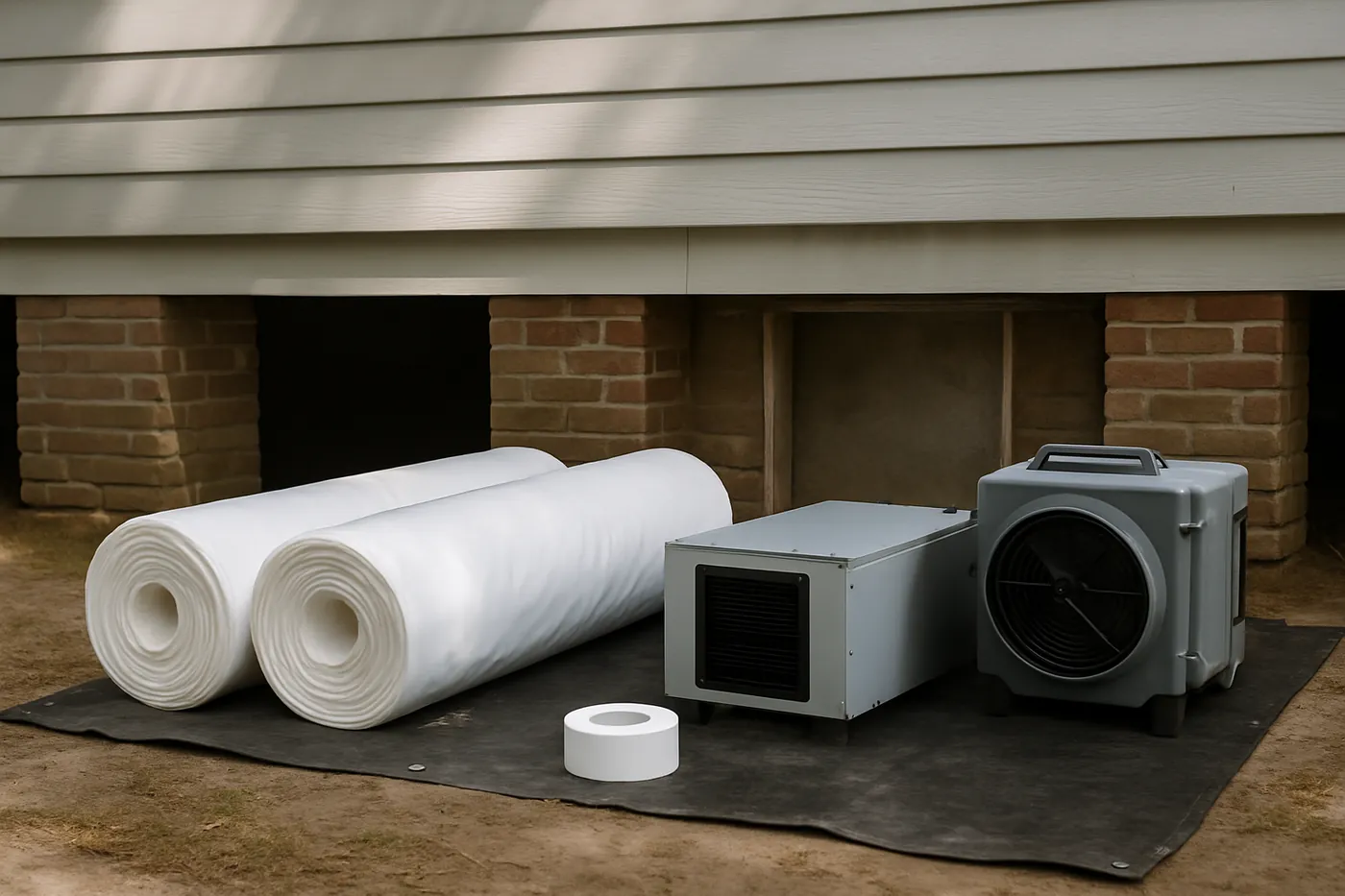
A cheap hygrometer reading in the main rooms and in any enclosed space below the house is a useful start. When the inspection is booked, ask that it include the underside of the house and a written list of moisture readings room by room. Typical prices are in the cost guide, and the mainland towns are under service areas.
Get a Charleston mold inspection
Tell us what you’re seeing or smelling: a musty smell coming up through the floor, cupping hardwood, condensation on ductwork, staining on a wall, and we'll pass your request to one independent local specialist, who can set up an inspection. A specialist who serves the Charleston area will call you back.