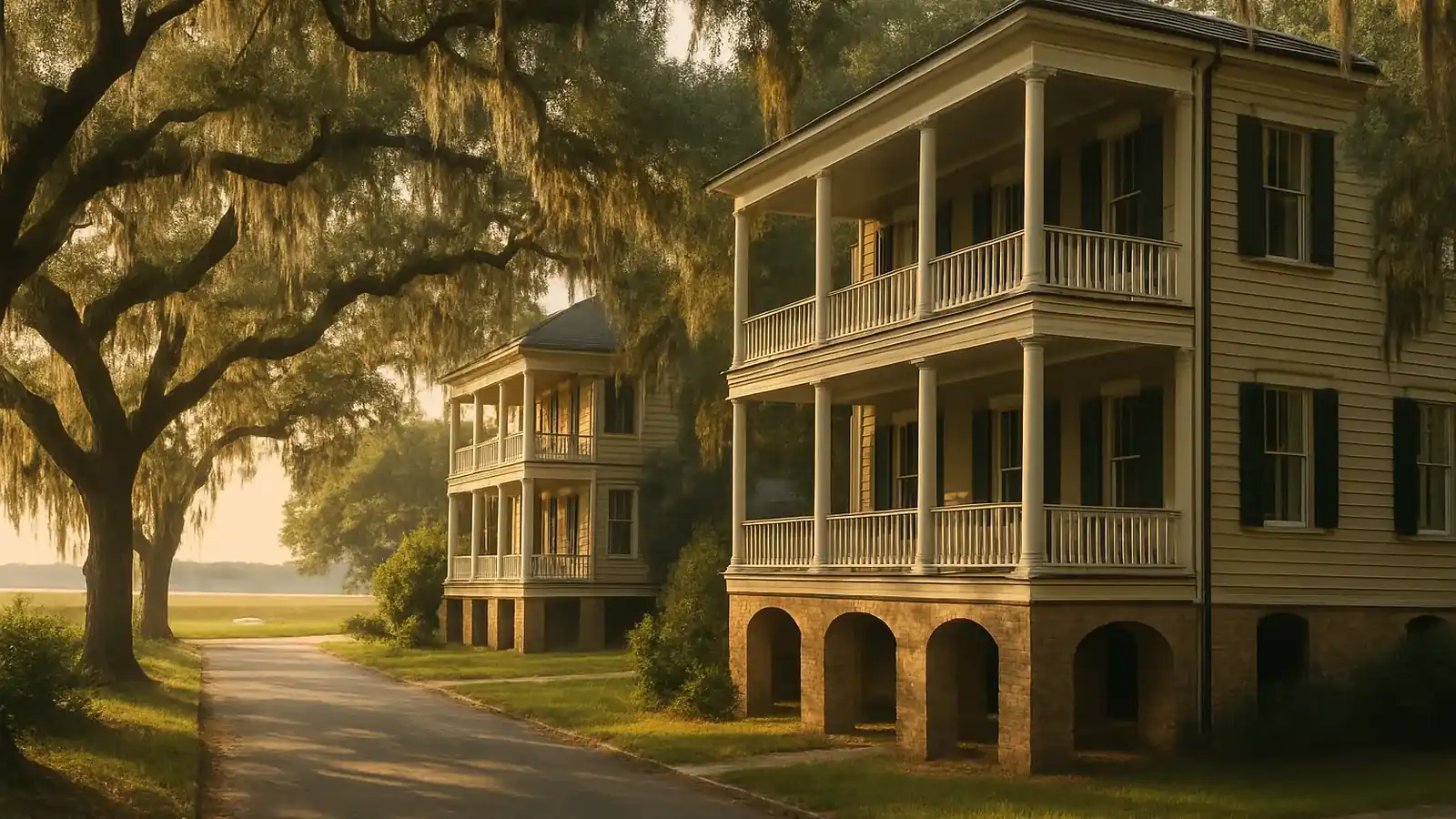
James Island homeowners pay $500–$6,000 for most mold remediation, from about $300 for testing when genuinely warranted. Most of the town's houses date from the 1950s through the 70s, and their original crawl spaces near tidal creeks are where the growth usually starts, so an inspection has to include the space under the floor.
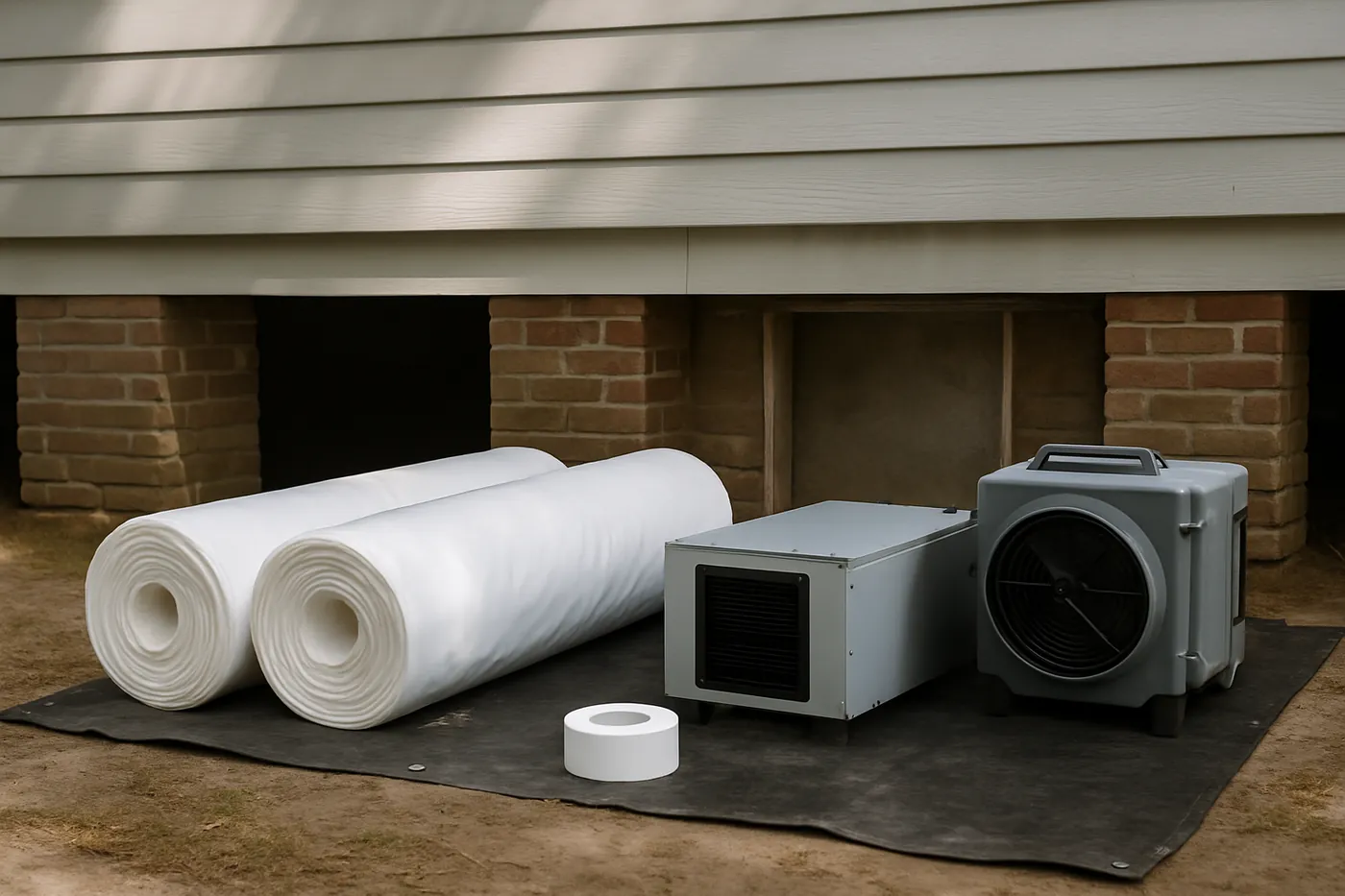
Tidal creeks set the water table
James Island is threaded with tidal creeks and marsh, which means a great many properties here sit on ground with a seasonally high water table that moves with the tide. For a raised house on a crawl space, that's the difference between damp soil and genuinely wet soil, and between a job that needs a vapor barrier and one that needs drainage first.
The distinction matters financially. Encapsulating over standing or recurring water produces an expensive liner floating on a problem. Where readings and observation show water arriving rather than just moisture evaporating, drainage (a sump, a perimeter drain, or grading correction) is the first line on the scope, and the encapsulation follows it.
Mid-century housing on original crawl details
Much of the island's housing dates from the post-war decades, which means crawl spaces detailed to the standards of that era: bare soil or a thin liner long since torn, fiberglass batts stapled to the subfloor, and ductwork insulated to a level that has since failed. That combination produces the classic Lowcountry sequence: sweating ducts, wet insulation sagging away from the floor, growth on joists, cupping hardwood upstairs, and a musty smell nobody can locate from inside.
What an inspection prioritizes here
Under the house first, and specifically looking for evidence of water arriving rather than only moisture condensing: staining lines on piers, silt deposits, standing water, and a vapor barrier that has floated or displaced. Then moisture content on joists and subfloor, humidity compared against the interior, duct and insulation condition, and outside grading and downspout discharge. On this island the exterior half explains a lot of the interior half.
A mid-century town in the numbers
The Census Bureau's 2020-2024 American Community Survey counts about 4,970 homes in the Town of James Island, with a median build year of 1970, the oldest median among the towns on this site. The 1960s alone account for about 36% of them, the 1970s for about 18% and the 1950s for about 13%; only about 11% date from 2000 or later. That is the mid-century crawl-space housing described above, now fifty to seventy years old.
Permits and drainage on James Island
The town's building services page says that as of May 1, 2026, new building permits and inspections are handled by the Town of James Island through SAFEbuilt, while projects already under way stay with Charleston County. The town's stormwater page says drainage on James Island is managed by Charleston County, with the town adding its own supplemental design standards. If a mold repair means new subfloor, framing or drywall, ask the town whether it needs a permit.
Asked in James Island
Our crawl space gets standing water. Can it just be encapsulated?
Not first. Encapsulating over standing or recurring water produces an expensive liner floating on an unsolved problem. Where water is arriving rather than just condensing, drainage (a sump, a perimeter drain, or grading correction) is the first line, and encapsulation follows it.
How do you tell arriving water from condensation?
Evidence under the house. Staining lines on piers, silt deposits, a vapor barrier that has floated or displaced, and water present after tides rather than only in humid weather all point to water arriving. Condensation shows up as wet framing and sweating ducts without those markers.
Our hardwood floors are cupping. Related?
Almost certainly. Hardwood cups when the underside gains moisture the top doesn't, which on a raised house means humid air sitting in the crawl space below. Refinishing before the crawl is corrected means refinishing again, and mild cupping often relaxes on its own once moisture content evens out.
What does crawl space work cost on James Island?
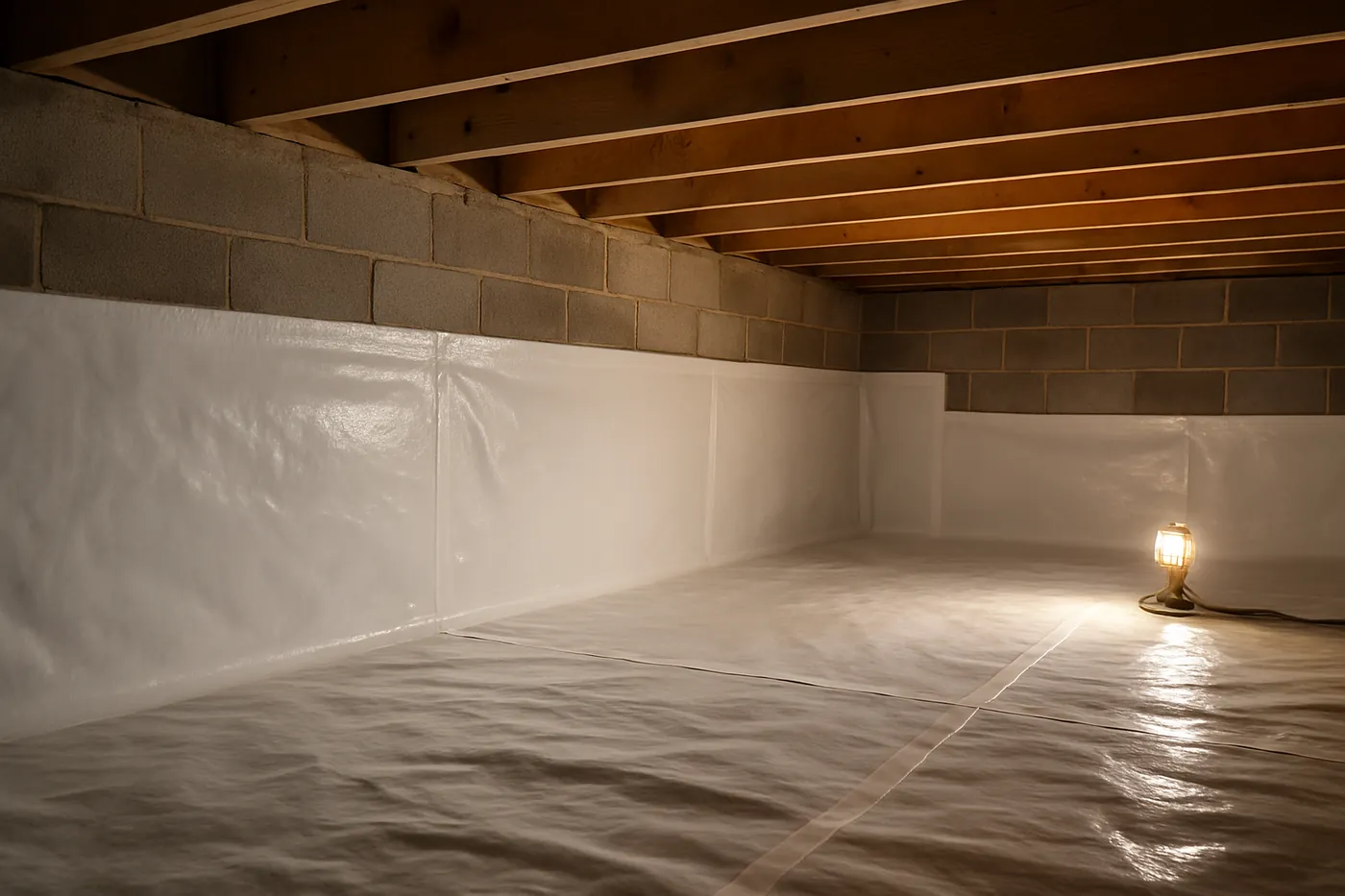
Remediation alone typically runs $2,000 to $6,000; with full encapsulation and a dehumidifier, $4,000 to $12,000. Where drainage is needed first it's priced as its own line, so you can see which half you're buying and stage it across budgets if you want to.
Next step for a James Island home
Take a hygrometer reading inside and, if you can reach it safely, at the crawl space access. Ask for the inspection to go under the house and to end with a written report of joist and subfloor moisture by location. Price ranges are in the cost guide, and nearby islands and towns are under service areas.
Get a Charleston mold inspection
Tell us what you’re seeing or smelling: a musty smell coming up through the floor, cupping hardwood, condensation on ductwork, staining on a wall, and we'll pass your request to one independent local specialist, who can set up an inspection. A specialist who serves the Charleston area will call you back.