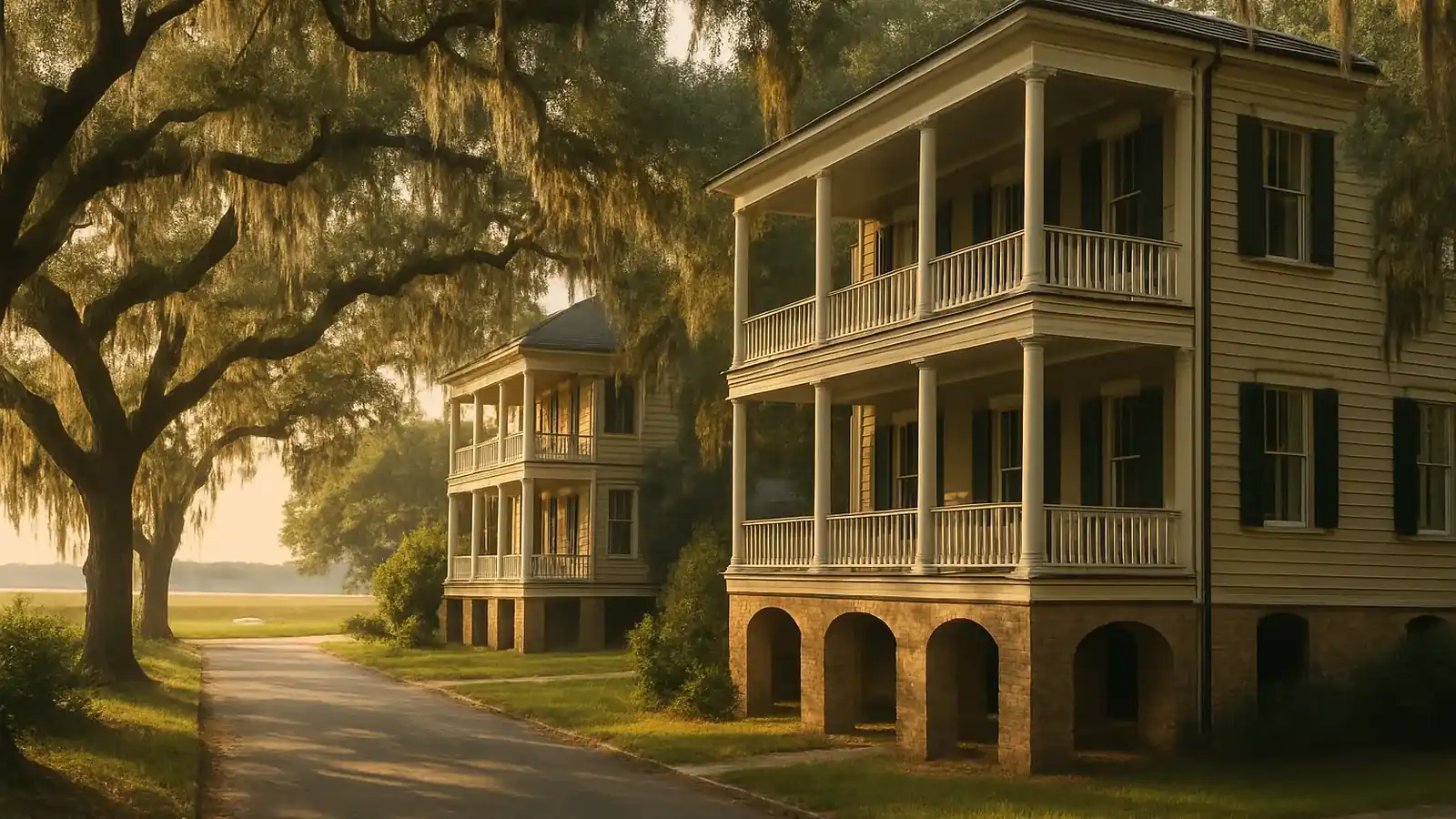
On Johns Island, most mold jobs cost between $500 and $12,000. The spread of the growth sets the figure, along with whether the crawl needs remediation, encapsulation or drainage work first. Around 50 inches of yearly rain and a long humid season drive it. Many local specialists don't charge for the inspection; ask when they call.
Rural ground filling in fast
Johns Island is the largest of the area's islands and it has been converting from agricultural and rural land into residential development at speed. That conversion produces a specific set of moisture conditions worth knowing about before you assume a house is the problem.
Agricultural land carries drainage infrastructure built to move water off fields: ditches, culverts, and in places buried tile. Development doesn't always remove it, and where a house sits on or near that network, water can be routed toward a foundation as readily as away. Combined with naturally low elevation and a high water table, that puts a lot of Johns Island crawl spaces in contact with more water than the vents alone would explain.
Large lots and long water paths
Properties out here tend to be larger, and larger lots collect and route more water before it reaches the house: frequently arriving from a direction the yard doesn't suggest. Evaluations here spend real time outside: where water enters the property, what concentrates it, whether swales still function, and where it goes. On the island's flattest ground, restoring fall away from the foundation does more for a crawl space than anything installed under it.
Drainage before encapsulation, every time
This is the community where the sequence most often needs saying explicitly. A crawl space that takes water needs the water addressed before a liner goes down, and pricing them together in one undifferentiated number hides which half you're actually buying. A good scope separates them: drainage first, encapsulation second, with the option to stage them across budgets.
Older homes, septic, and outbuildings
The island still has older rural homes alongside new construction, and rural lots often carry outbuildings, workshops and additions built in different decades. Unconditioned buildings stay humid all year in this climate, and where one is attached to living space it feeds moisture into it. A good inspection looks at those connections instead of stopping at the main house.
Johns Island housing in the Census
Johns Island is split between the City of Charleston and unincorporated Charleston County, so the closest Census figures come from ZIP code area 29455, which reaches beyond the island itself. The 2020-2024 American Community Survey counts about 17,800 homes there with a median build year of 2001: about 24% from the 2010s, 22% from the 2000s and 7% from 2020 or later, against about 19% before 1980. The growth described above is visible in those numbers.
City or county: two sets of rules
The USGS gauges the Stono River at Main Road, where the road crosses onto the island. Which permit office you deal with depends on the address. Inside Charleston city limits, the city says all work in the Special Flood Hazard Area, including interior finishes and storm-damage repairs, needs a permit, and it counts improvements over one year. In unincorporated areas, Charleston County's floodplain FAQ counts permit values from the past five years toward substantial improvement. Check which side of the line your parcel sits on first.
Asked in Johns Island
Our subdivision was farmland recently. Does that matter?
It can. Agricultural drainage (ditches, culverts, buried tile) was built to move water off fields, not around houses, and development doesn't always remove it. A line running near a house can route water toward the foundation as easily as away, and old drainage fails with no sign at the surface.
Our lot is several acres. Does that change the inspection?
It adds a lot to the outside part of the visit. Bigger lots gather and channel more water before it reaches the house, often from a direction the yard does not suggest. On the flattest ground here, regrading so water runs away from the foundation helps a crawl space more than anything installed under it.
Should we do drainage and encapsulation together?
In sequence, and priced separately. Drainage first, encapsulation second. That's the order that works, and separating the lines lets you see which half you're paying for and stage them if the budget calls for it. A single undifferentiated number hides that choice.
Should outbuildings be inspected?
Yes, and on rural lots it matters. Buildings without conditioning stay humid all year in this climate, and when one is joined to the living space it passes moisture into the house. A careful inspection checks those joins instead of stopping at the main building.
What happens after you call
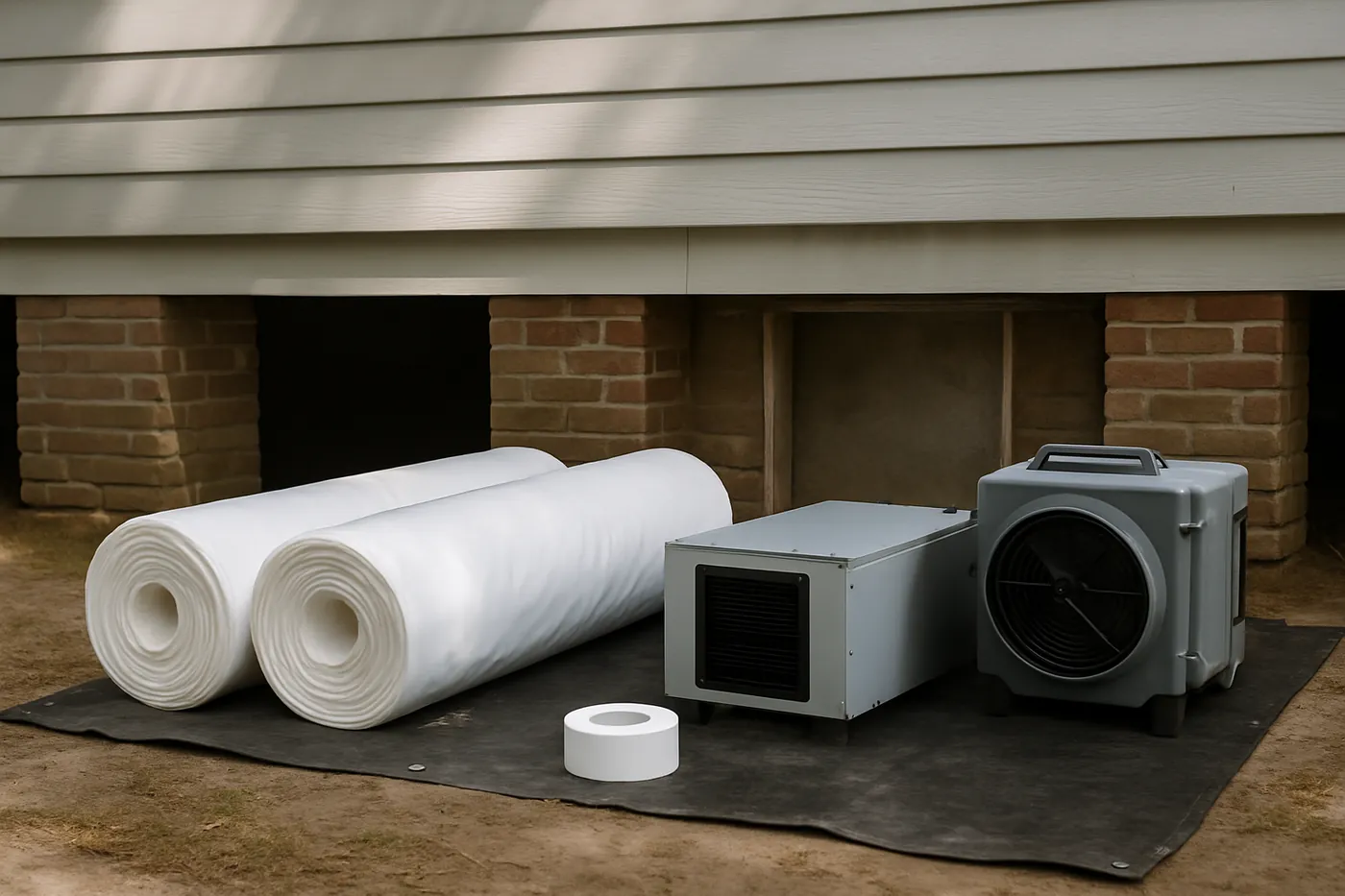
On Johns Island, measurement should come before any price: moisture levels in joists and subfloor, humidity under the house compared with inside, the condition of the liner and ductwork, and how yard water moves toward the foundation. Ask for each line of the scope priced in writing, and take it as a good sign if you hear “a vapor barrier will handle this” when the numbers support it. See the cost guide or the full service list.
Get a Charleston mold inspection
Tell us what you’re seeing or smelling: a musty smell coming up through the floor, cupping hardwood, condensation on ductwork, staining on a wall, and we'll pass your request to one independent local specialist, who can set up an inspection. A specialist who serves the Charleston area will call you back.