
Mold work on Folly Beach usually falls between $500 and $12,000, depending on how far growth has spread and whether the crawl space needs remediation, encapsulation or drainage first. About 50 inches of rain a year and long, humid summers are behind most of it. Many local specialists don't charge for the inspection; ask when they call.
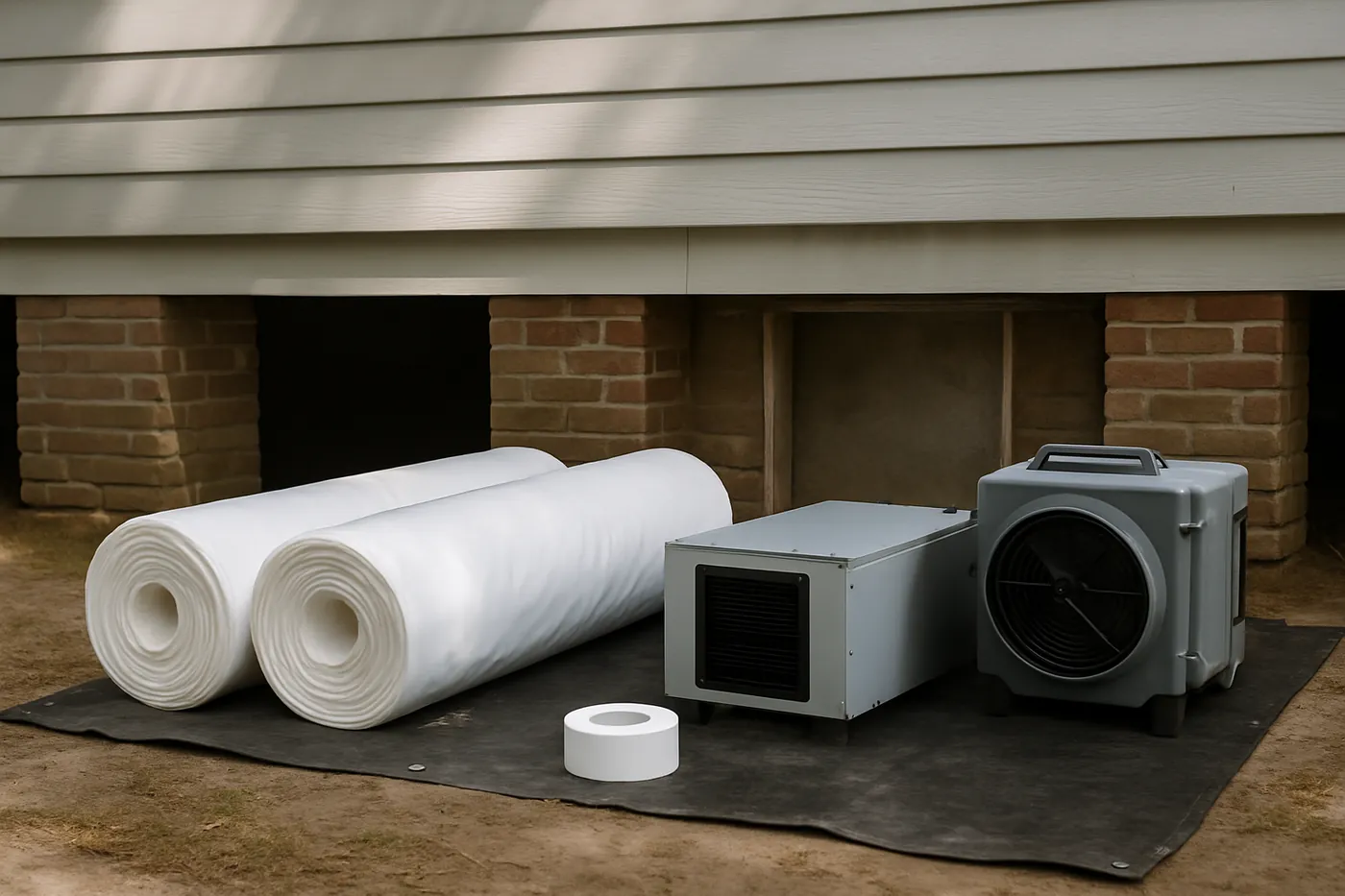
Exposure, and what it does to a building
Folly Beach takes the full coastal exposure: salt air, wind-driven rain, and the storm and tidal water that comes with a barrier island. The housing reflects it: substantially elevated construction, a great deal of it built or rebuilt to current flood requirements, with living space raised above the ground level.
Elevation is genuinely protective, and it changes the moisture question rather than removing it. Open space beneath a house dries itself. Enclosed ground-level space does not: those areas sit below the flood elevation, carry flood vents rather than sealed walls by design, and therefore hold high humidity year-round in this climate. Storage rooms and finished-out areas down there are where the island's most avoidable problems turn up.
The rule that prevents most of it
Keep porous material out of any enclosed space below the flood elevation. No cardboard, no upholstered furniture, no carpet, no drywall unless it's flood-resistant and detailed for it. That single habit prevents the majority of ground-level mold on this island, and it costs nothing.
Rentals and the empty-week problem
Folly's rental turnover produces the same cycle as any heavily rented island: conditioned during a stay, unconditioned between stays, humidity climbing during every gap. Across a summer that accumulates. Setting the system to hold a humidity target rather than switching it off between guests is the whole fix, and a smart thermostat with a humidistat handles it without anyone thinking about it.
Salt, equipment, and what an inspection checks
Coils and condenser fins corrode faster here than anywhere else in the Charleston area, and degraded equipment removes less moisture from the air while still appearing to cool adequately. Inspections here weigh equipment condition heavily, check any enclosed ground-level space specifically, and look at window and door assemblies for wind-driven rain intrusion. Then the standard indoor work: humidity, readings at wall bases, and the air handler.
Folly Beach houses by era
The Census Bureau's 2020-2024 American Community Survey counts about 2,220 homes in the City of Folly Beach, with a median build year of 1990. The 1990s, the 2000s and the 1980s each hold about a fifth of them, but the island also keeps an older layer: about 21% predate 1960, including roughly one home in ten from the 1940s. Houses that old were built long before today's flood elevation rules, which changes where an inspection looks first.
A whole city in the flood zone
The city's flood information page says the entire City of Folly Beach is in a flood hazard area. Building permits are required for all new construction, remodeling and repairs, even when homeowners do the work themselves, and the values on permits from the past ten years count toward the 50% substantial improvement threshold. Folly Beach takes part in FEMA's Community Rating System. A mold repair that replaces walls or floors should go through the Department of Building and Planning first.
Asked in Folly Beach
What's the single most useful thing we can do?
Keep porous material out of any enclosed space below the flood elevation. No cardboard, no upholstered furniture, no carpet, no ordinary drywall. Those spaces have flood vents by design and hold high humidity year-round, so that one habit prevents most ground-level mold on this island, and it costs nothing.
Our rental smells musty when guests arrive. Why?
The empty weeks. Conditioned during a stay, unconditioned between stays, humidity climbing during every gap, and across a summer that accumulates. Setting the system to hold a humidity target rather than switching it off between guests is the whole fix, and a smart thermostat handles it automatically.
Is equipment really worse off out here?
Coils and condenser fins corrode faster here than anywhere else in the Charleston area. Degraded equipment removes less moisture from the air while still appearing to cool adequately, so inspections on Folly weigh equipment condition heavily rather than treating it as a footnote.
What does an inspection cost on Folly Beach?
Many local specialists don't charge for the inspection, though it varies by company; ask when the specialist calls. A careful one checks moisture room by room, humidity indoors and in any enclosed ground-level space, the HVAC equipment, and the windows and doors for wind-driven rain, with photographs, even when the visit ends with advice about storage instead of a bill.
What happens after you call
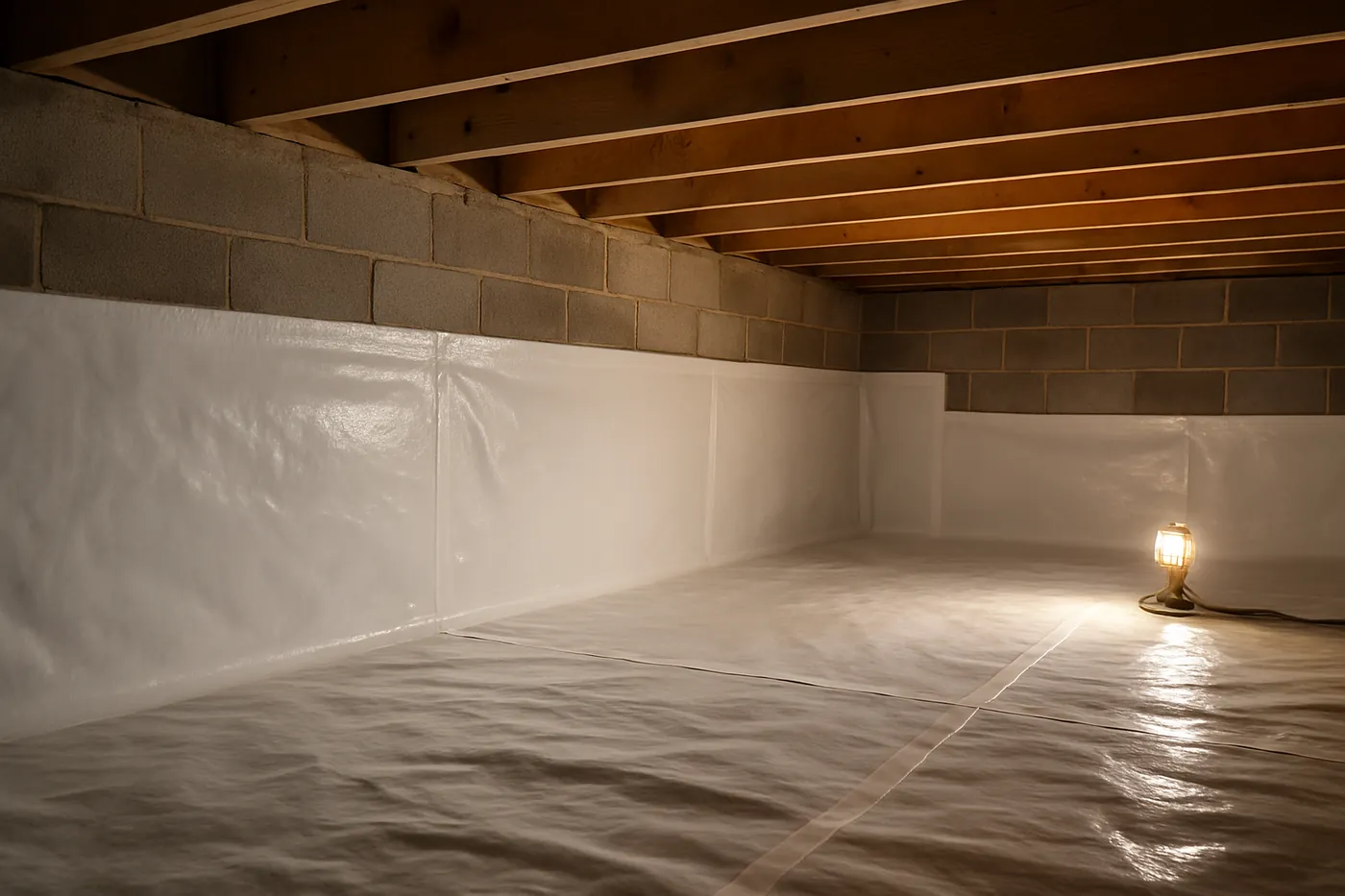
Before any price, a good specialist takes measurements at a Folly Beach house: moisture in the joists and subfloor, humidity below the house and inside it, the state of the vapor barrier and ducts, and where outside water goes. Ask for a written scope priced line by line, and welcome an honest “a vapor barrier is enough” when that is what the readings show. Prices are in the cost guide; other work is on the full service list.
Get a Charleston mold inspection
Tell us what you’re seeing or smelling: a musty smell coming up through the floor, cupping hardwood, condensation on ductwork, staining on a wall, and we'll pass your request to one independent local specialist, who can set up an inspection. A specialist who serves the Charleston area will call you back.