
AC and duct mold cleanup in Charleston runs $600–$3,500 depending on whether the work covers the air handler and coil alone or the duct system too. Here ducts often run through vented crawl spaces, where cold surfaces in humid air condense on the outside of the duct as well as growing mold inside the system.
Here's how both happen, and why the humidity fix matters more than the cleaning.
Two problems, one system
Inside the equipment, the mechanism is universal: the evaporator coil is wet by design, sitting in a dark cabinet with dust available as a food source. A clogged drain pan or a condensate line without proper slope leaves standing water in there, and anything growing sits upstream of every supply register in the house.
Outside the ductwork, the mechanism is specific to this region. Supply ducts carrying chilled air through a vented crawl space are cold surfaces surrounded by humid air. Where duct insulation is thin, torn, compressed, or has fallen away (extremely common in older crawl installations) the exterior surface drops below the dew point and water condenses on it. That water drips onto the vapor barrier, the soil, and the framing below, adding to a crawl space moisture problem that was already there.
How do I know it is the AC and not the room?
The timing gives it away. If the smell shows up a few seconds after the system starts and fades when it shuts off, the source sits inside the equipment or the ducts, not in the room you are standing in.
Signs that the equipment, not the room, is the problem: allergies that are worse indoors while the air is running, dark specks on the supply registers, a stained ceiling ring around a vent, water pooling near the air handler, and a system that has begun short-cycling. When two of these show up together, the equipment is usually where the growth is.
Water standing at the air handler is the one to deal with right away rather than living with as a seasonal nuisance. A clogged condensate drain keeps overflowing, and the damage spreads into the platform and the floor under it.
What the cleanup covers
- Air handler cabinet, blower, and evaporator coil: cleaned, not fogged
- Drain pan and condensate line: cleared and checked for slope
- Return plenum and filter housing: commonly skipped, commonly contaminated
- Duct insulation assessment: repair or replacement where it's failed and sweating
- Ductwork interior where inspection shows actual contamination
- Insulated flex duct assessed for replacement where the interior lining is affected, since lined duct can't always be cleaned successfully
The humidity fix usually lives under the house
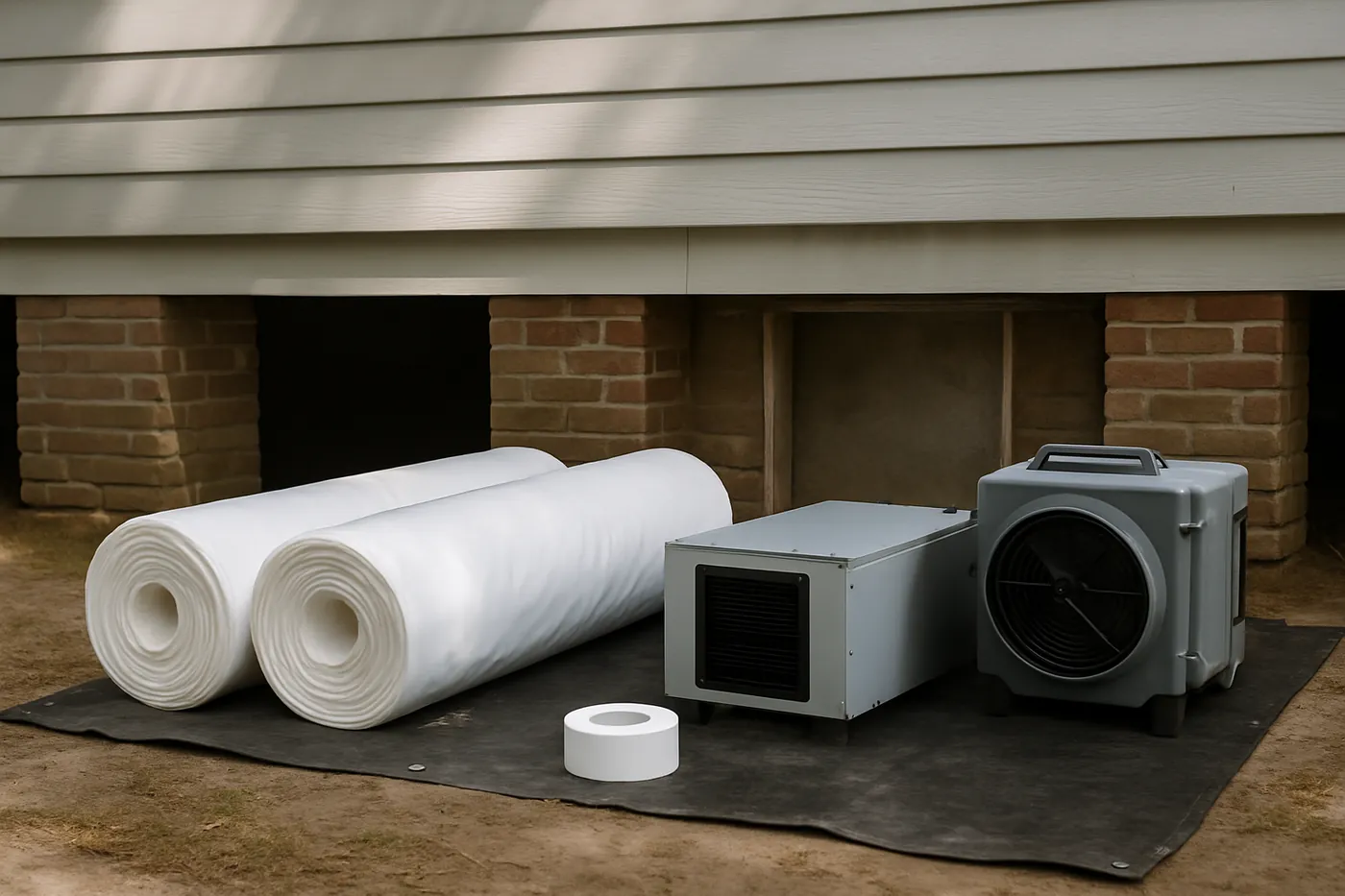
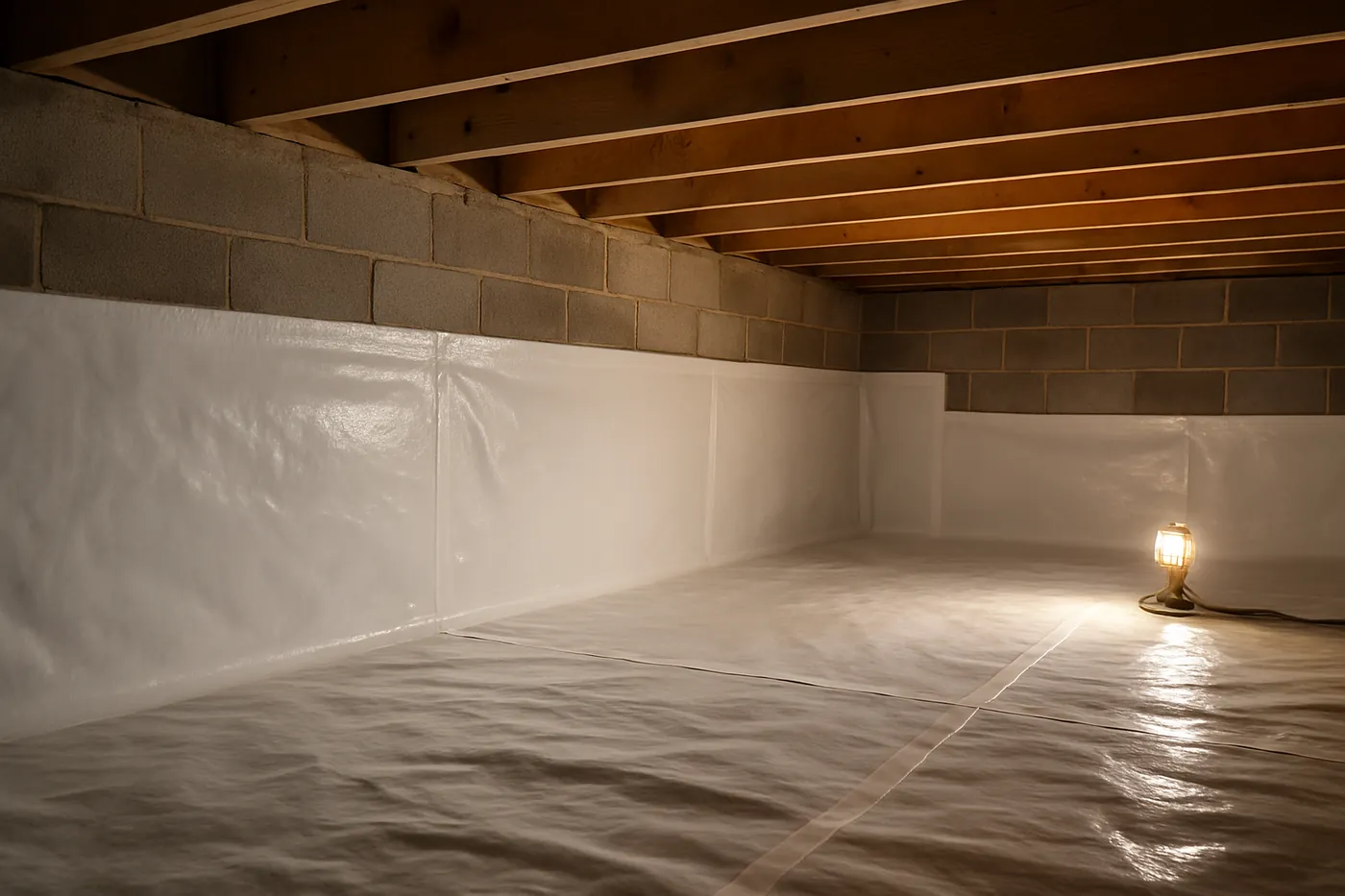
In most markets the answer to high indoor humidity is a whole-home dehumidifier. Here it's frequently a crawl space dehumidifier instead, because that's where the moisture is entering the building. Sealing and dehumidifying the crawl removes the source, and indoor humidity typically follows it down without anything being installed upstairs.
Which of those your house needs is a measurement question: a good inspection reads humidity in both places and compares. Buying a whole-home unit to fight moisture that's arriving from below is treating the symptom at the expensive end.
When duct cleaning is worth it
Routine duct cleaning on a system with no sign of contamination has little proven benefit, and EPA does not recommend it as maintenance. Cleaning after confirmed mold growth, after water got in, or where ducts have been sweating in a wet crawl space is a different matter and is justified. A good specialist inspects before pricing it and tells you if the ducts are clean, and that line then comes off the estimate.
Which part of the system is actually contaminated?
The tell is timing. A smell that arrives seconds after the system starts and fades when it stops. Where it is coming from inside the equipment decides who you need, because some of this is mold work and some belongs to an HVAC contractor.
| Location | What you notice | Who handles it |
|---|---|---|
| Evaporator coil and pan | Musty air on start-up; water standing at the handler | HVAC for the drain and coil; the mold specialist for what it has grown into |
| Supply ducts and boots | Dark specks at the registers, staining on the ceiling | Cleaning and, where lined duct is affected, replacement |
| Return side | Smell strongest near the return; dust that returns quickly | Sealing leaks that pull humid crawl or attic air into the system |
| The rooms themselves | Smell present with the system off | Not an equipment problem. Look for the moisture source in the house |
Air conditioning that cools without dehumidifying is a recognized driver here. A system that cools the house quickly and short-cycles can leave the air wet enough to grow mold on surfaces well away from the equipment.
AC and duct questions, straight answers
Why is there condensation on my ductwork?
Because cold duct surfaces are sitting in humid air. Supply ducts running through a vented crawl space carry chilled air through a space full of moisture, and where insulation is thin, torn, or missing, the surface drops below the dew point and water forms on it. That water lands on the crawl space below.
Can mold grow inside the air conditioner itself?
Regularly. The evaporator coil is wet by design (condensation is how the system dehumidifies) inside a dark cabinet moving air through the entire house, with dust available as food. A musty smell that arrives from the vents ranks higher on our list than a musty smell in a single room.
How do I tell if the smell is the AC?
Watch the pattern. If the smell appears or grows stronger within a minute of start-up, comes out of the supply registers, and is noticeable in several rooms at the same time, the system is the likely source. One musty room on its own usually points at that room, or here, at the crawl space under it.
Is duct cleaning worth it?
When there is a reason, yes. Routine cleaning of a system with no contamination has little proven benefit, and EPA does not recommend it as maintenance. Cleaning after confirmed mold, after water got in, or where ducts have been sweating in a wet crawl is another matter, and it is justified.
Would a dehumidifier help?
Frequently, and in this market it often belongs in the crawl space rather than the house. A crawl space dehumidifier controls the moisture at its source, which usually brings indoor humidity down as a consequence. A whole-home unit is the answer where the indoor space itself is running high.
Get a Charleston mold inspection
Tell us what you’re seeing or smelling: a musty smell coming up through the floor, cupping hardwood, condensation on ductwork, staining on a wall, and we'll pass your request to one independent local specialist, who can set up an inspection. A specialist who serves the Charleston area will call you back.