Mold remediation in Charleston costs $500–$6,000 for most home jobs above the crawl space, depending on the area affected and whether materials have to come out. The work is containment, physical removal and HEPA filtration, along with fixing the moisture source, which in this city is often under the floor rather than in the room itself.
Here's what proper remediation involves, and what changes on a historic property.
The standard, in the order it happens
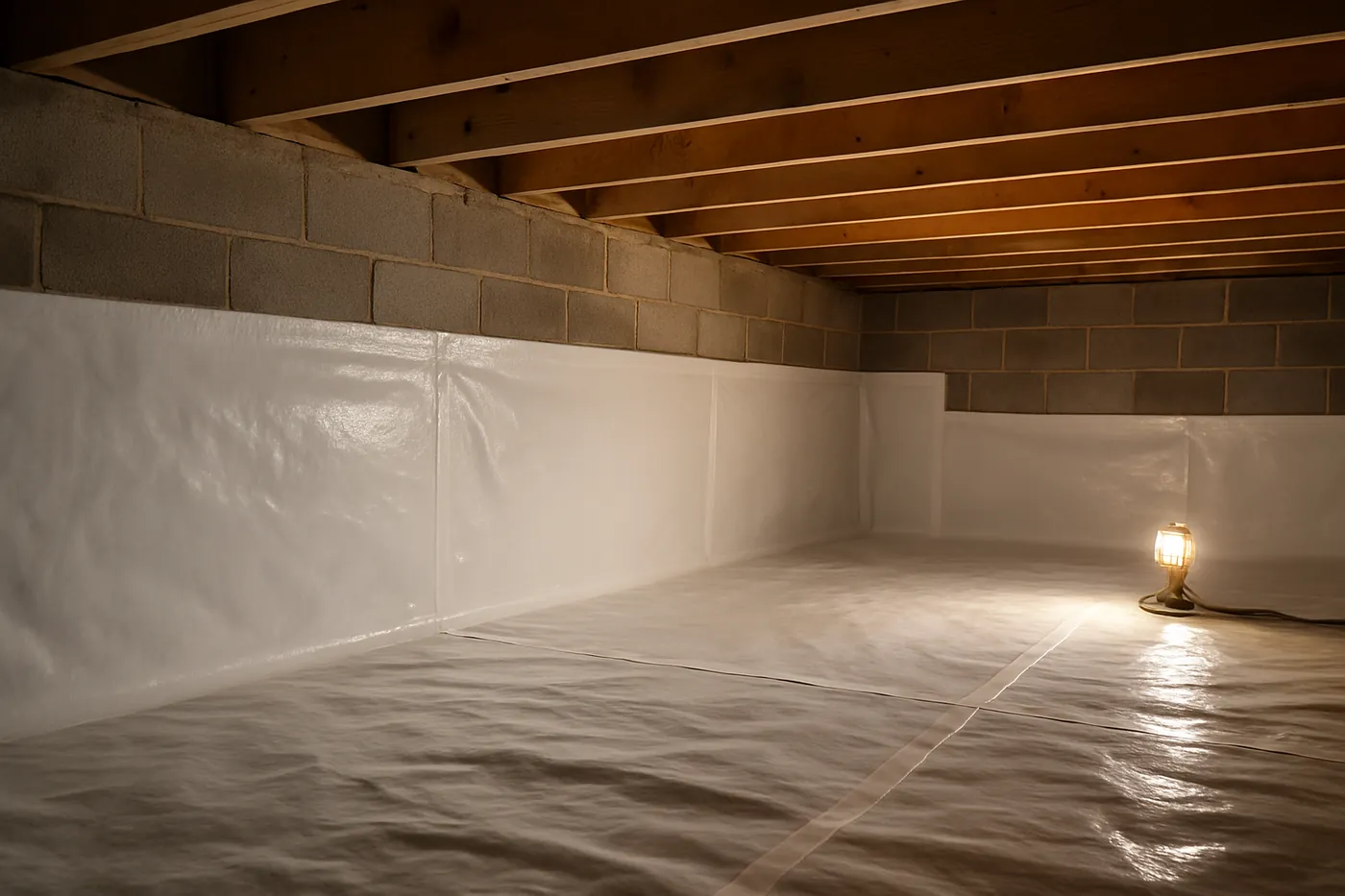
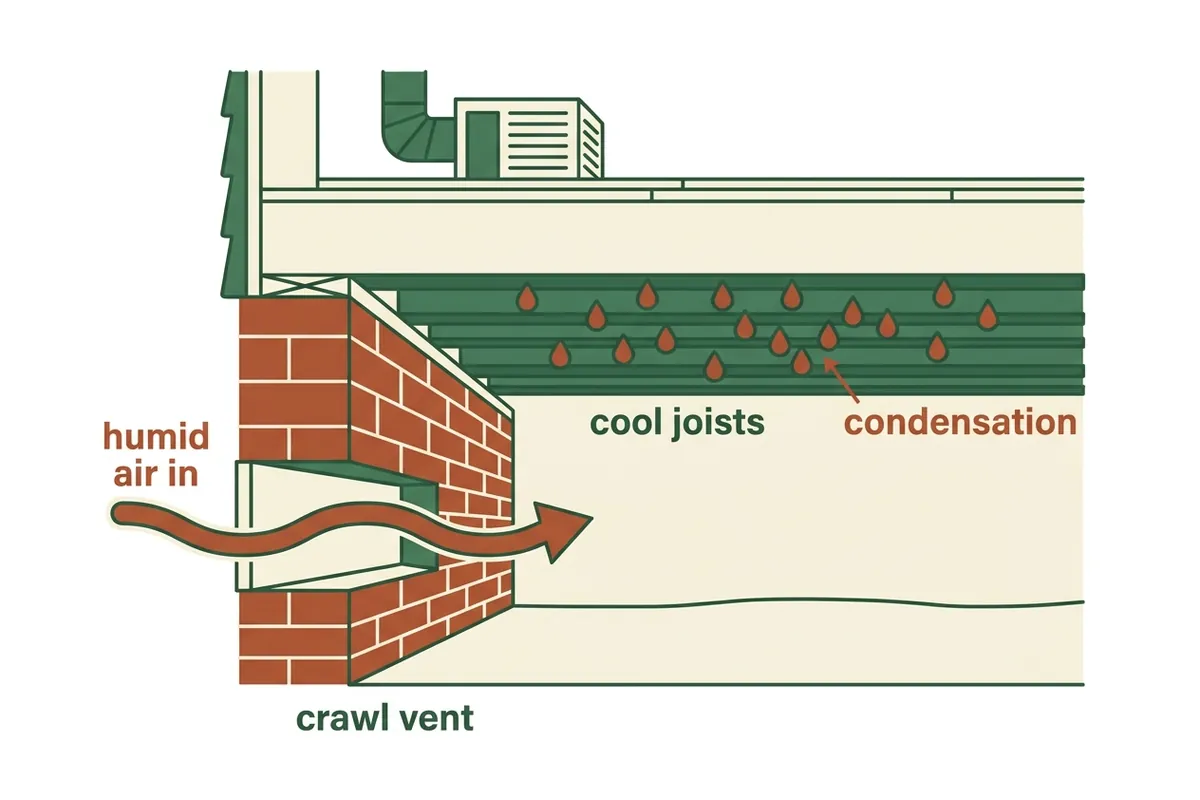
- Find and stop the moisture. In this market that investigation frequently ends up in the crawl space rather than the affected room.
- Contain the area. Barriers plus negative air pressure, so removal doesn't distribute spores through the house.
- Remove what can't be cleaned. Porous material that grew mold comes out; non-porous surfaces get cleaned.
- HEPA-filter and clean. Air scrubbers through the work and after it, surfaces HEPA vacuumed and wiped.
- Dry to a measured target. Meters decide when materials are ready to close, not the calendar.
- Rebuild once the readings allow it.
Removal, not treatment
This is the line between real remediation and a costly imitation. EPA's guidance is plain: the job is physically removing the mold along with the porous material it has grown into. Mold does not need to be alive to cause trouble, so killing it and leaving it where it is completes nothing.
So when a company offers to fog the house, spray an antimicrobial, or run an ozone machine instead of taking out the affected material, what it is selling will not solve the problem. Those tools have a few narrow uses on surfaces that have already been cleaned. None of them stands in for removal.
Historic assemblies deserve restraint
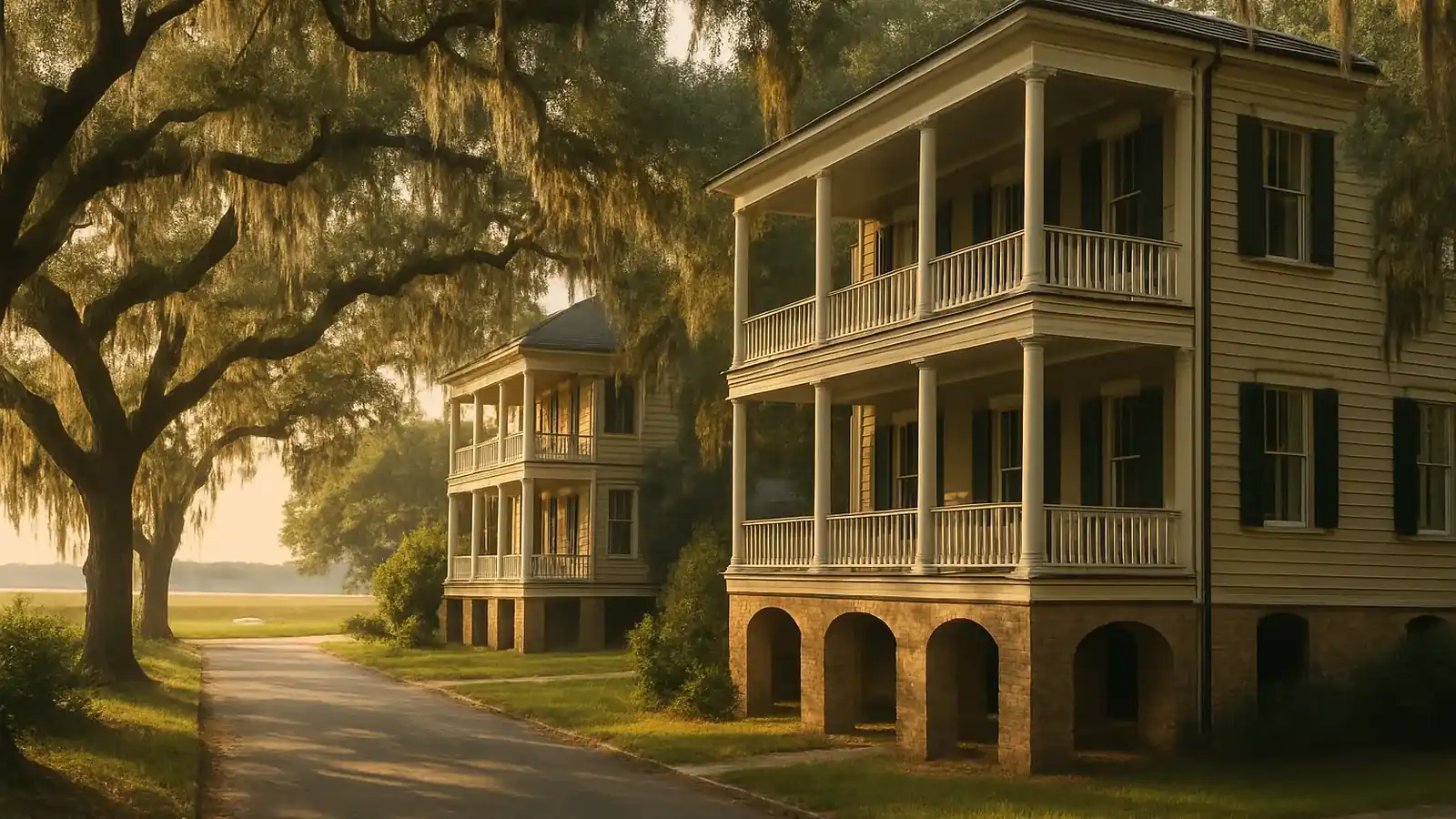
A great deal of Charleston housing predates air conditioning by a century or more, and those buildings handled moisture by being permeable: lime plaster on masonry, wood that breathes, no vapor barriers, and ventilation designed into the way the house was lived in.
Air conditioning changed the temperature and vapor gradients those walls were built around, and modern moisture solutions applied carelessly can make things worse. Sealing an interior surface on a wall that was designed to dry in both directions can trap moisture inside masonry, where it does slow structural damage nobody sees for years. On older properties a careful specialist leans toward source control, ventilation, and reversible measures, keeps original material wherever readings allow, and says plainly when a condition belongs with a preservation specialist rather than a remediation crew.
What drives the price
- Area affected: measured, not estimated from a doorway
- Material removal and rebuild: frequently the largest line, and the usual reason a low bid grows
- Containment complexity: open plans need more barrier than closed rooms
- Historic material handling: plaster and original millwork take longer to work around than drywall
- The moisture correction: priced visibly, because if the source is the crawl space, remediating the room alone buys you this twice
How much containment does the job actually need?
Containment is the difference between removing mold and redistributing it through the house. The scale of it follows the size of the affected area, which is why an honest quote asks how much before it says how much it costs.
| Affected area | Containment used | What it means for the household |
|---|---|---|
| Under ten square feet | Basic isolation and dust control | Often a single visit; the room stays usable either side of it |
| Ten to a hundred square feet | Sealed work area under negative pressure | That area is closed off for the duration |
| Over a hundred square feet | Full containment, decontamination access | Plan around it: parts of the house are out of use |
| Any size, historic assembly | Full containment plus restraint on demolition | Slower and gentler; plaster and masonry are not replaceable |
Most residential remediation here runs $500–$6,000 depending on spread. On the peninsula the constraint is often not the mold but the assembly around it: plaster, masonry, and no modern vapor barrier reward patience over speed.
Remediation questions, straight answers
What does mold remediation cost in Charleston?
Above the crawl space, most home jobs cost $500 to $6,000. Where in that band depends on how much area is affected, whether material has to be cut out and replaced, and how much containment the floor plan needs. One bathroom wall sits at the low end; growth through several rooms with material removal sits at the top. Many local specialists don't charge for the inspection; ask when they call.
Do we need to move out?
Most of the time, no. Containment under negative air pressure is there so the rest of the house stays livable while one area is worked on. If the affected area is large, if it is the only bathroom, or if someone at home has a breathing condition, staying somewhere else for the work is usually wiser.
Our house is historic. Does that change the approach?
A great deal. Older Charleston buildings were made to handle moisture by staying breathable, and sealing a wall meant to dry both ways can trap water in the masonry and speed up decay. A careful specialist puts fixing the source and ventilation ahead of sealing interior surfaces, and says when the work belongs with a preservation specialist.
Is fogging or antimicrobial spraying enough?
Not in place of removal. EPA guidance defines remediation as physically removing the growth and the porous material it has grown into. Mold does not have to be alive to cause trouble, so killing it where it sits leaves the job unfinished. Treat any bid that offers fogging instead of removal with real caution.
Will it come back?
Only if the moisture source is left in place. That is why the scope should name the source outright, and in this city it is often the crawl space, not anything in the room where the mold showed up. Cleaning the room upstairs while the cause keeps running below is how people end up paying for the job twice.
Get a Charleston mold inspection
Tell us what you’re seeing or smelling: a musty smell coming up through the floor, cupping hardwood, condensation on ductwork, staining on a wall, and we'll pass your request to one independent local specialist, who can set up an inspection. A specialist who serves the Charleston area will call you back.