Mold removal in Charleston costs $500–$6,000 for most residential remediation above the floor, $2,000–$6,000 for crawl space remediation, and $4,000–$12,000 with full encapsulation and a dehumidifier. Drainage, where a crawl takes standing water, is priced separately because it must come first.
Below: what each range buys, why crawl space work prices differently, and how to compare two estimates that look nothing alike.
Charleston mold prices by job
| Job | Typical range | What it covers |
|---|---|---|
| Crawl space remediation | $2,000–$6,000 | HEPA cleaning of joists and subfloor, removal of contaminated insulation, containment at the access |
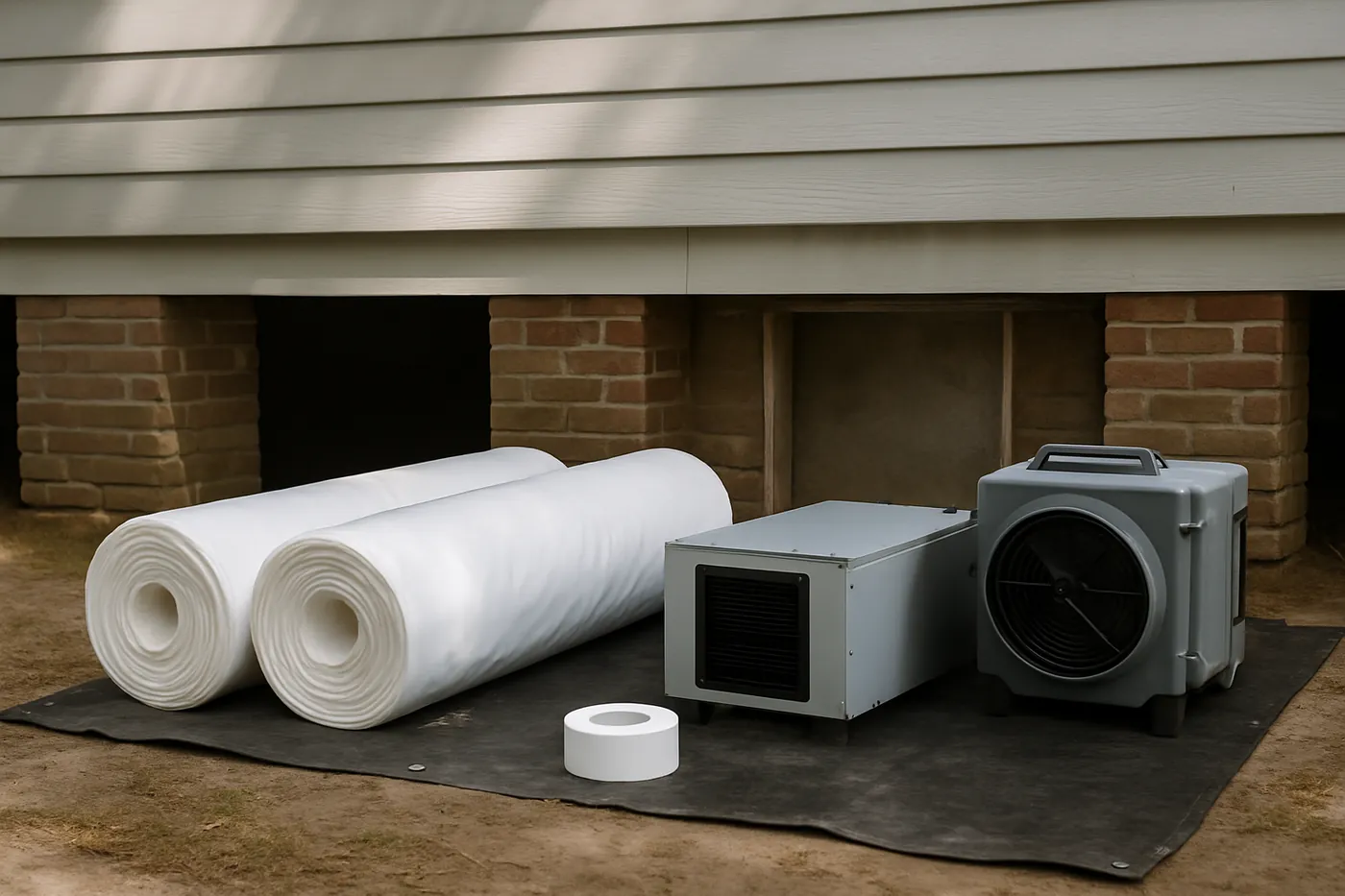
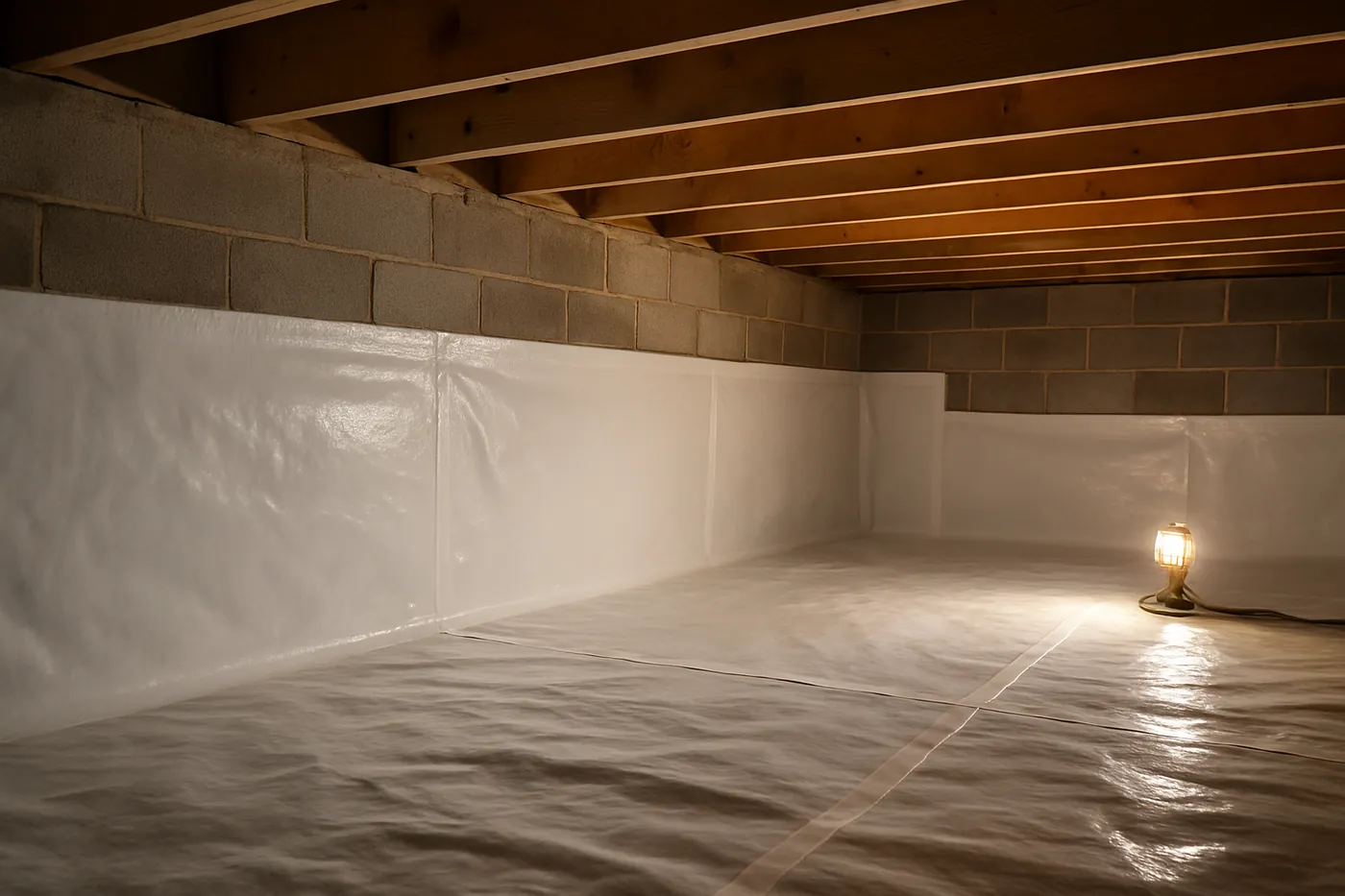
| Encapsulation package | $4,000–$12,000 | The above plus heavy vapor barrier, sealed vents, air-sealed rim joists, and a dedicated dehumidifier |
| Crawl space drainage | $1,500–$7,000 | Sump, perimeter drain, or grading correction — priced separately because it precedes encapsulation |
| Mold remediation (above floor) | $500–$6,000 | Containment with negative air, physical removal of affected material, HEPA filtration, drying to a measured target |
| Inspection and testing | Free–$900 | Our inspection including crawl space entry is free; laboratory testing $300–$900 when it changes the plan |
| AC and duct cleanup | $600–$3,500 | Air handler, coil, drain pan and line, duct insulation repair where it has failed and is sweating |
| Water damage restoration | $1,000–$8,000 | Extraction, structural and crawl space drying, daily readings against a dry standard, documentation |
The four factors that move a Charleston estimate
1. Crawl space square footage and condition. The dominant driver in this market. A 1,200-square-foot crawl with a torn liner and dry soil is a different job from a 2,400-square-foot crawl with bare ground and standing water.
2. Whether drainage is required. The single largest legitimate difference between two bids. Water arriving means a sump, a perimeter drain, or grading correction before any liner goes down — and skipping it is the most common way an encapsulation fails.
3. Material removal. Contaminated fiberglass batts, damaged subfloor, and affected drywall above the floor all add cost. It's why calling at the musty-smell stage costs less than calling once floors are cupping.
4. Access. Crawl height, access door size, obstructions, and distance from a staging point genuinely change labor hours. A 24-inch crawl with a small hatch is slow work, and an honest scope says so rather than discovering it on day one.
Comparing estimates without guessing
- Ask for the three crawl space lines separately — remediation, encapsulation, and drainage. A single number hides which you're buying.
- Ask whether anyone actually went under the house. An inspection here that skipped the crawl space skipped the diagnosis.
- Ask what indoor and crawl space humidity read, as two separate numbers. The gap between them is most of the story.
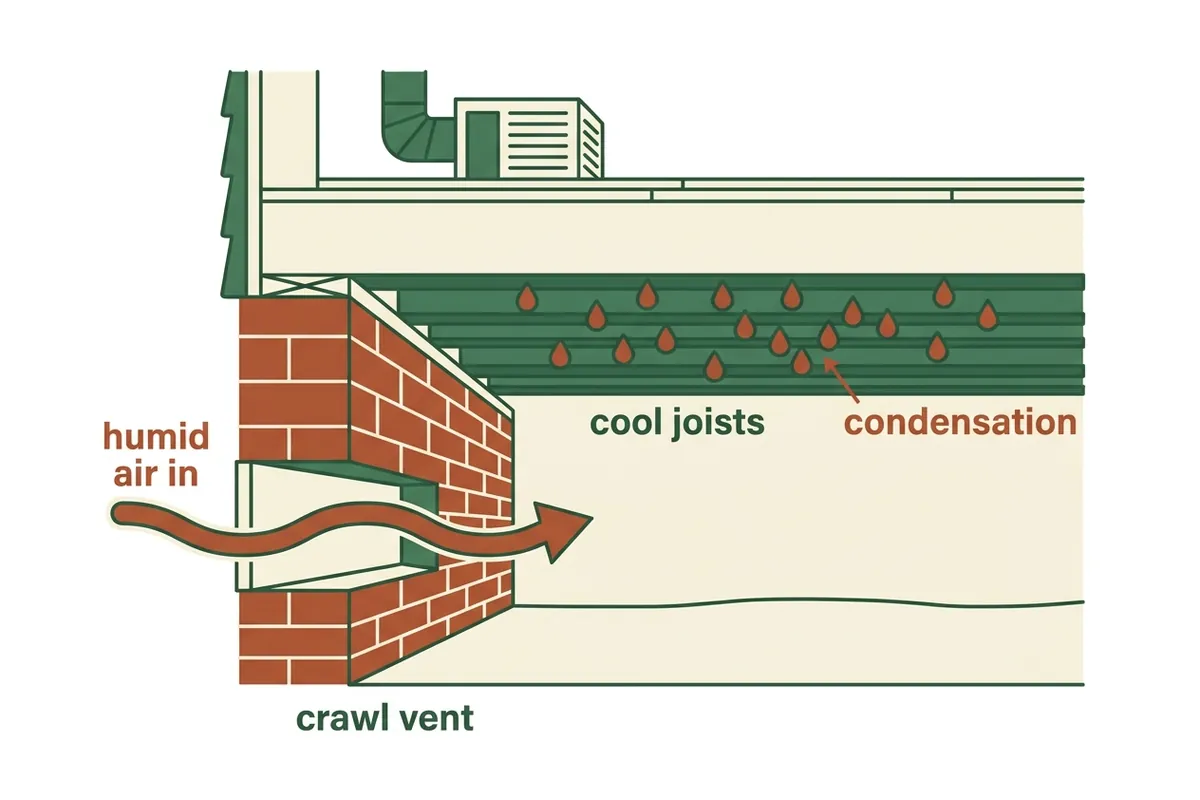
- Be skeptical of anyone recommending more vents or a crawl space fan. Venting supplies the moisture in this climate; adding it makes things worse.
- Confirm containment is included on above-floor work. Removal without negative air spreads the problem.
- Verify licensing yourself. South Carolina issues no mold-specific license, so check general contractor licensing through SC LLR and ask what independent certification the technicians hold.
The question that saves the most money here
Ask every bidder: "is water arriving, or is moisture condensing?" Those are different problems with different price tags. Condensation from vented humid air is solved by sealing and dehumidifying. Water arriving — groundwater, tidal influence, roof and surface water routed badly — must be drained first, and encapsulating over it wastes the whole investment.
A contractor who can answer that with evidence from under your house is worth listening to. One who quotes an encapsulation package without going down there is selling a product, not solving your problem.
When the honest answer is "a vapor barrier and better grading"
A real share of inspections here end without an encapsulation recommendation. A crawl with dry soil, sound structure, and humidity only modestly above the house may need a proper vapor barrier, duct insulation repair, and corrected downspout discharge outside — a fraction of a full package. Those visits get a written report at that recommendation and nothing more.
Figures reviewed July 2026. Sources you can check: The climate and remediation claims on this page are checkable against primary sources: see NOAA U.S. Climate Normals for Charleston rainfall and humidity, EPA Mold Remediation guidance for remediation practice and the position on testing, and SC LLR to verify contractor licensing. Cost ranges reference regional contractor pricing data.
Cost questions, straight answers
What's the average mold removal cost in Charleston?
There isn't an average worth quoting. Above the floor, a single wall or closet often lands at $500 to $1,500 and a room with material removal runs $2,000 to $6,000. Crawl space work is its own category: $2,000 to $6,000 for remediation, $4,000 to $12,000 with encapsulation and a dehumidifier, and drainage priced separately where it's needed.
Why is encapsulation so much more than cleaning?
Because they're different purchases. Cleaning removes the growth; encapsulation removes the mechanism — vapor barrier across the soil and up the walls, vents sealed, rim joists air-sealed, and a dedicated dehumidifier. Cleaning alone on a vented Lowcountry crawl usually comes back within a season or two, which makes the cheaper option the more expensive one.
Why do two Charleston estimates differ so much?
Usually because one included drainage and the other didn't, or one is quoting cleaning where the other is quoting encapsulation. Ask each bidder to separate remediation, vapor barrier and encapsulation, and drainage as distinct lines. A single undifferentiated crawl space number hides which of those you're actually buying.
Should drainage really come before encapsulation?
Always, where water is arriving rather than only condensing. A liner installed over standing or recurring water is an expensive cover on an unsolved problem. If a crawl space bid goes straight to encapsulation without addressing visible water, ask why — that's the question that saves the most money in this market.
Will insurance cover any of this?
Cause decides it. Sudden accidental water is frequently covered. Gradual humidity, crawl space condensation, and maintenance issues are typically excluded — which unfortunately describes most Lowcountry mold. Tidal and storm flooding falls under separate flood coverage. We document cause, timeline, and readings whichever way a claim goes.
Do you charge for the inspection?
We don't charge for the inspection. Crawl space entry, moisture content readings on joists and subfloor, humidity under the house and inside it, vapor barrier and duct condition, photographs, and a written scope with fixed line prices are free — including the outcome where the recommendation is a vapor barrier and nothing more.
Get a free Charleston mold inspection
Tell us what you’re seeing or smelling — a musty smell coming up through the floor, cupping hardwood, condensation on ductwork, staining on a wall — and we’ll schedule an inspection that includes going under the house. We reply the same business day.