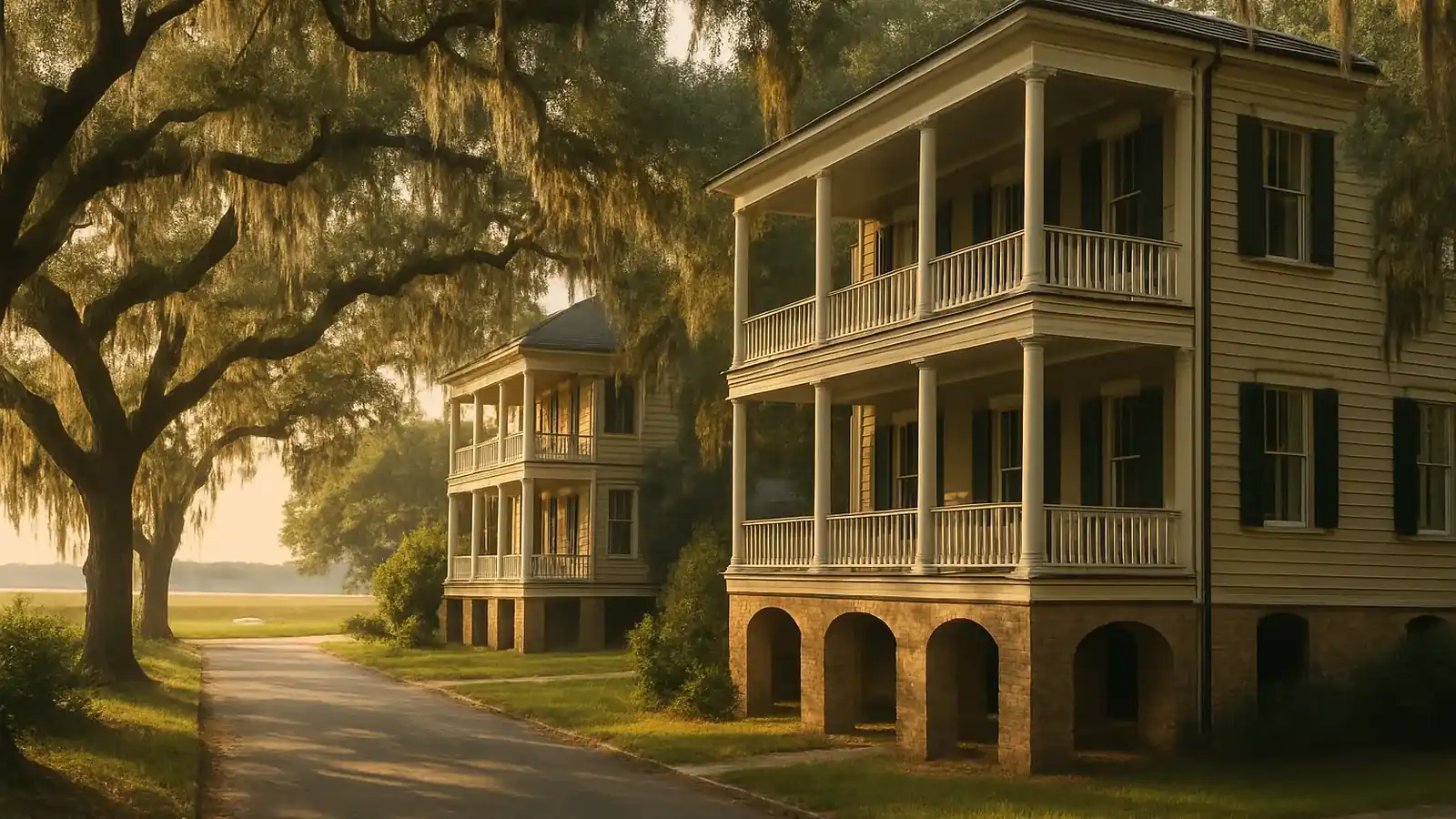
Water damage restoration in Charleston runs $1,000–$8,000 for most homes, set by how much water, how far it spread and how much material comes out. Mold can start on wet materials within 24 to 48 hours, and this climate keeps things toward the short end, so extraction the same day makes a real difference.
Here's what metered drying involves, and why the crawl space is part of every water job here.
The window is short and the climate shortens it
The 24-to-48-hour figure is the standard guideline for when mold can begin establishing on wet material, and it assumes ordinary conditions. A Charleston summer is not ordinary conditions: high ambient temperature paired with high humidity means the surrounding air has very little capacity to absorb moisture, so wet material stays wet substantially longer than it would in a drier place.
That is the practical reason to call today rather than tomorrow. Water pulled out and dried within that window is a restoration job. Water left through a humid weekend often turns into a remediation job costing several times as much, with materials cut out.
Water category decides what can be saved
Homeowners notice how much water there is; the category is what sets the bill. A clean supply-line break is one case. Tidal water, storm water and ground water carry contaminants, and that changes the method: porous materials that soaked it up generally come out instead of being dried in place, and the cleanup goes beyond removing moisture.
On the peninsula and in other low-lying parts of the city this comes up with every round of tidal flooding, and it is worth knowing before you are comparing estimates in a hurry. A restoration quote that leaves out the water category is not telling you what you are paying for.
The crawl space is part of every water job here
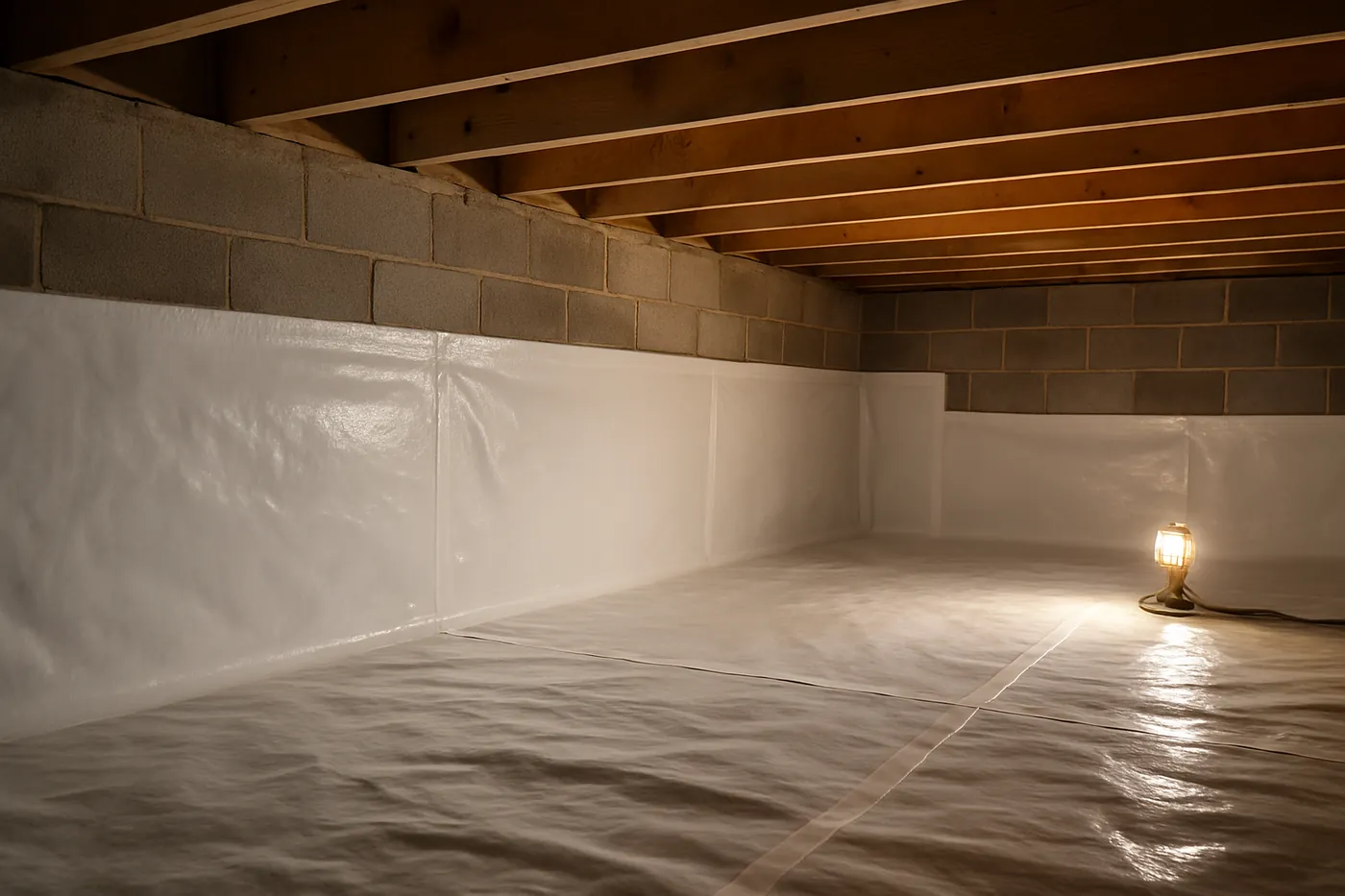
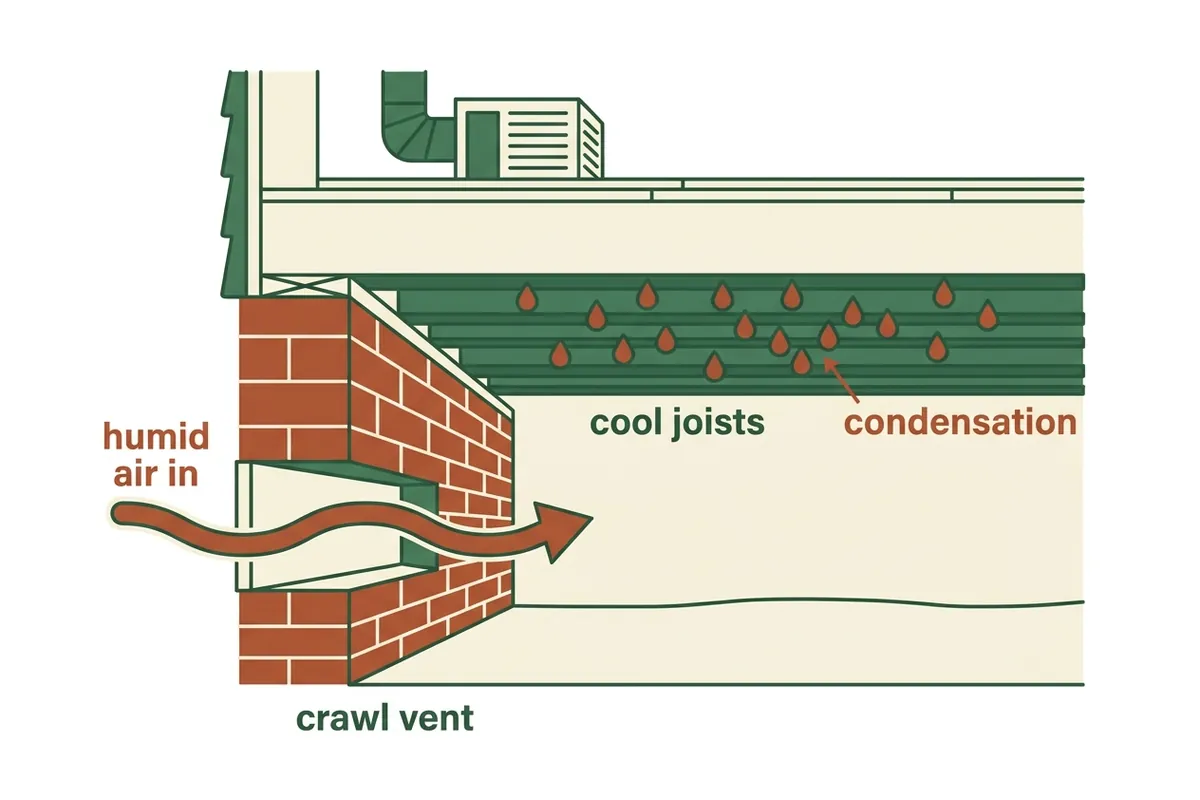
Water that reaches a raised house reaches the crawl space, and a saturated crawl doesn't dry on its own in this climate. It holds moisture and releases it upward into the floor system for weeks. Drying the living space while leaving the crawl wet means the moisture migrates back into what you just dried.
So a good scope includes the crawl in the drying plan, with its own readings and its own equipment where warranted, and the vapor barrier gets assessed afterward because standing water frequently displaces or damages it. A restoration bid on a raised Lowcountry house that never mentions the crawl space is incomplete.
What restoration includes
- Extraction: standing water first, with equipment sized to the volume
- Category assessment: clean, gray, or contaminated, because it decides what stays
- Material triage by meter readings rather than appearance
- Structural drying: air movers and commercial dehumidifiers placed for the actual layout, above and below the floor
- Cavity drying: wall cavities and under cabinets, where household equipment can't reach
- Daily monitoring against a dry standard taken from unaffected material
- Documentation: photographs, readings, cause, and timeline for the claim
What kind of water was it?
This is the first question, before drying starts, because it decides what can be saved. Recurrent tidal flooding and marsh-adjacent ground put a lot of Lowcountry water damage in the worst category from the moment it arrives.
| Source | What can usually be dried and kept | What has to go |
|---|---|---|
| Clean supply line | Most materials, if drying starts quickly | Little, provided it was not left wet for days |
| Appliance or HVAC overflow | Structure, usually; some finishes | Saturated insulation and pad |
| Tidal or storm water | Structure only, after cleaning | Carpet, pad, insulation, and affected drywall |
| Sewage backup | Structure only, after cleaning and verification | Every porous material it touched |
Drying a category-three loss as though it were clean water is the most expensive mistake in this trade, because the second remediation costs more than doing it properly first.
Water damage questions, straight answers
How fast do I need to act?
The same day. The usual guideline is that mold can start on wet materials within 24 to 48 hours, and Lowcountry heat and humidity sit at the fast end of that range, since muggy air takes up very little moisture. Starting extraction right away is often what keeps the bill a drying bill instead of a remediation bill.
What does water damage restoration cost?
Most home jobs cost $1,000 to $8,000, depending on how much water, how far it spread, and how much material comes out. Clean water caught within hours sits at the bottom. Tidal or storm water costs more fast, since water carrying contaminants means porous materials are removed rather than dried where they are.
Is tidal flooding covered by insurance?
Generally not by a standard homeowner's policy: tidal and storm surge flooding falls under separate flood coverage. Sudden accidental water from inside the house, like a burst supply line, is usually the covered category. Ask the specialist to document cause, timeline, and readings carefully, because that distinction determines everything about the claim.
Should the crawl space be dried too?
Always, when water reached it, and it usually did. A crawl space that flooded holds moisture long after the visible water is gone, and drying the living space while leaving a saturated crawl underneath means the moisture simply migrates back up. The readings show when both are actually dry.
How do you know when it's dry?
By meter readings, not by the calendar. A good crew measures the wet materials on day one and checks them every day against a dry standard taken from unaffected material in the same house. The equipment should leave when the readings reach that standard, and you should get a copy of the log. Fans pulled on a set schedule are a guess.
Get a Charleston mold inspection
Tell us what you’re seeing or smelling: a musty smell coming up through the floor, cupping hardwood, condensation on ductwork, staining on a wall, and we'll pass your request to one independent local specialist, who can set up an inspection. A specialist who serves the Charleston area will call you back.